
Is an online game Safe to Play?

Online gaming has become a major form of entertainment for people of different ages. Players can compete with friends, explore virtual worlds, complete challenges, and communicate with people from around the world. However, one important question should always come before starting a new game: is an online game safe to play? Whether you are considering a popular multiplayer title or a platform such as T999, understanding possible risks can help you make better decisions.
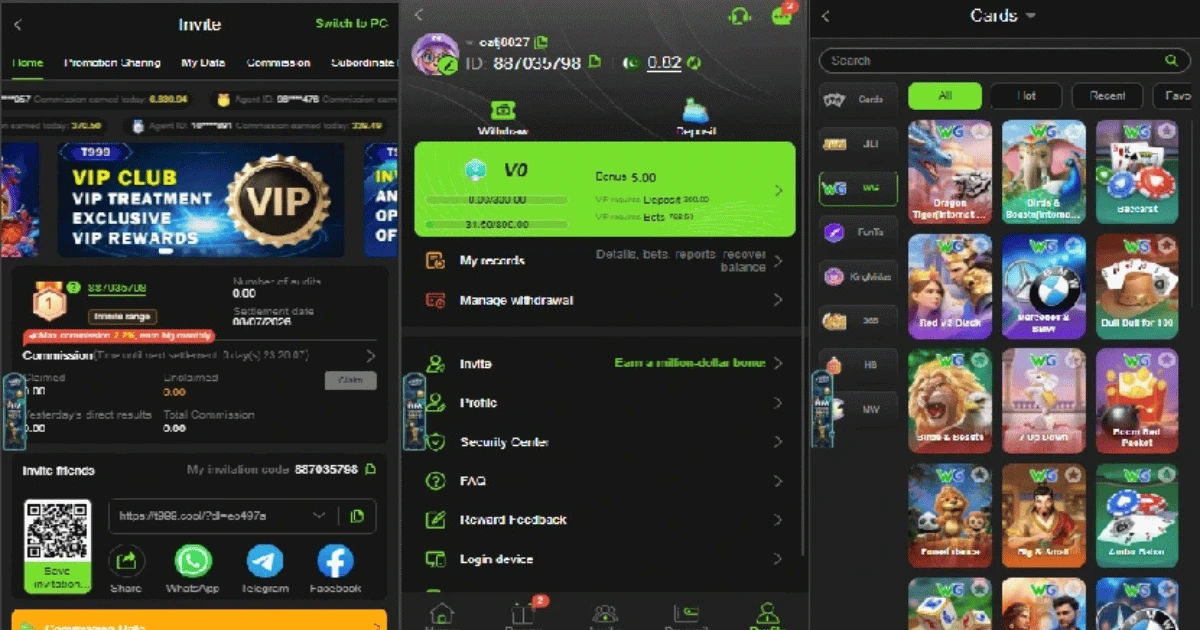
The answer is not simply yes or no. An online game can be safe when it uses appropriate security measures and when players follow sensible safety practices. At the same time, online games can expose players to risks involving privacy, scams, inappropriate communication, malware, excessive spending, and unhealthy gaming habits.
This comprehensive guide explains the main safety concerns associated with online gaming and provides practical ways to reduce them.
What Makes an Online Game Safe?
A safe online game should protect its users technically and socially. Security starts with the platform itself, but player behavior also matters.
A trustworthy game should use secure account systems, protect personal information, provide reporting tools, and respond appropriately to harmful behavior. Players should also have control over privacy settings and communication features.
When evaluating a platform such as T999, players should look beyond graphics and entertainment value. They should consider how the platform handles accounts, payments, communication, and personal data.
Secure Account Protection
Strong account security is one of the most important parts of safe online gaming.
Players should create unique passwords rather than using the same password for gaming accounts, email accounts, and social media. If the game offers two-factor authentication, enabling it can provide another layer of protection.
Players should also avoid sharing passwords with friends or strangers. Legitimate gaming companies generally do not need players to reveal their passwords through private messages.
Privacy Protection
Online games may collect information such as usernames, email addresses, device information, activity data, and payment details. The amount and type of information collected varies between platforms.
Before creating an account, users should review the game's privacy policy and understand what information is requested.
Avoid publishing your full name, home address, phone number, school details, or other sensitive information in public gaming profiles. This is especially important when using multiplayer platforms where communication with strangers is possible.
Common Risks of Online Gaming
Although online games can be enjoyable, several risks deserve attention.
Understanding these risks makes it easier to recognize suspicious situations before they become serious problems.
Scams and Fake Offers
Gaming scams are common because scammers know that players may be interested in virtual items, bonuses, upgrades, or exclusive rewards.
A message might claim that you have won a prize or that you can receive free game currency by clicking a particular link. Some scams imitate official websites and ask users to enter their login details.
A player using T999 or another gaming platform should be cautious about offers that seem unusually generous. If something promises valuable rewards with little or no effort, it deserves additional scrutiny.
Never enter account credentials into an unfamiliar website simply because a message promises free items.
Malicious Downloads
Some websites distribute fake game installers, modifications, cheats, or supposedly free premium content. These downloads can contain malicious software.
Malware can potentially steal information, damage files, monitor activity, or compromise accounts.
For better protection, download games and updates through official stores or verified sources whenever possible. Avoid suspicious executable files and programs that require disabling security software.
Inappropriate Communication
Multiplayer gaming often includes text or voice communication. While this can make games more social, it can also expose users to offensive language, harassment, bullying, manipulation, or unwanted contact.
Players should use mute, block, and report features when necessary.
If a stranger repeatedly asks for personal information or attempts to move a conversation away from the gaming platform, it is sensible to end the conversation.
How to Check Whether a Game Is Trustworthy
Players do not need to become cybersecurity experts to evaluate an online game. A few basic checks can reveal important information.
Research the Developer
Look at who developed and operates the game.
Check the official website and reputable app stores. Read information about the company and look for clear support channels. A platform that provides little information about its operators may deserve additional caution.
For T999, players should independently verify the platform's official information and avoid relying exclusively on advertisements, promotional messages, or unofficial social media accounts.
Read Reviews Carefully
Reviews can provide useful information about technical problems, payment experiences, customer support, and security concerns.
However, do not assume every review is genuine. Extremely positive or extremely negative comments may not provide a complete picture.
Look for repeated patterns across multiple independent sources.
Examine Permissions
When installing a game on a mobile device, check the permissions it requests.
A game may reasonably need access to certain device functions, but unnecessary permissions should make users stop and think. If a simple game requests access to sensitive information that appears unrelated to its features, investigate further before accepting.
Is Online Gaming Safe for Children?
Children can enjoy online games, but they may need additional protection because they may not recognize scams, manipulation, or inappropriate behavior as easily as adults.
Parents and guardians should understand the games children play and learn about their communication and purchasing features.
For younger players, parental controls can limit communication, spending, playtime, and access to unsuitable content.
Use Age Ratings
Age ratings provide useful guidance about violence, language, mature themes, and other content.
Parents should not treat an age rating as a complete safety guarantee. They should also consider whether a game includes public chat, private messaging, in-game purchases, or interactions with unknown players.
Teach Children About Privacy
Children should understand that an online username does not make them completely anonymous.
Teach them not to share their real address, school name, phone number, passwords, photographs, or other private information with strangers.
If a player on T999 or another platform makes them uncomfortable, children should know they can leave the conversation and tell a trusted adult.
Staying Safe While Making Online Purchases
Many games generate revenue through virtual goods, subscriptions, downloadable content, or other purchases.
Financial safety is therefore another important consideration.
Players should use legitimate payment systems and avoid sending money directly to strangers who claim to sell virtual items.
Be careful with websites offering unusually cheap game currency or accounts. A discount that looks too good to be true may be designed to steal payment information or account credentials.
Set Spending Limits
Parents can use purchase restrictions and spending limits where available.
Adults can also benefit from setting a gaming budget. Small purchases may seem harmless individually, but repeated transactions can become expensive over time.
Before confirming a purchase, check exactly what is being purchased and whether it is a one-time payment or recurring subscription.
Protecting Your Device
A secure gaming experience also depends on the device being used.
Keep your operating system, browser, antivirus software, and gaming applications updated. Updates frequently include security improvements as well as new features.
Use a screen lock and avoid leaving accounts permanently signed in on shared computers.
Public or shared devices require extra caution. Always sign out after gaming and avoid saving passwords on computers that other people can access.
Safe Online Gaming Habits
Good habits can significantly reduce online gaming risks.
Use a different strong password for every important account. Enable multi-factor authentication when available. Keep personal information private and avoid suspicious links.
Do not install unofficial cheats, cracked versions, or unknown modifications simply to gain an advantage. These programs can create security problems and may also violate the game's rules.
When playing T999, or any other online platform, users should remain cautious about messages that request urgent action, account information, payment details, or downloads.
Recognize Suspicious Messages
Scammers often create a sense of urgency.
A message may say that your account will be deleted within minutes unless you click a link. Another might claim that you need to verify your password immediately to receive a reward.
Instead of clicking the provided link, visit the official website directly through a trusted browser bookmark or manually entered address.
This simple habit can prevent many phishing attacks.
What Should You Do If Your Account Is Compromised?
Even careful players can sometimes experience account problems.
If you believe an account has been hacked, change the password immediately. If the same password was used elsewhere, change it on those accounts as well.
Enable multi-factor authentication if available and review recent account activity.
Contact the game's official customer support rather than relying on people who claim they can recover the account for a fee.
If payment information may have been exposed, contact the relevant financial institution and monitor transactions.
Balancing Gaming With Daily Life
Online safety is not limited to cybersecurity.
Excessive gaming can interfere with sleep, school, work, exercise, relationships, and other responsibilities. A healthy gaming routine should leave enough time for important daily activities.
Taking regular breaks can also reduce physical discomfort associated with sitting for long periods.
Players should maintain a comfortable posture, take breaks to rest their eyes, and move around periodically.
Recognize Unhealthy Gaming Patterns
Gaming becomes a concern when a person consistently loses control over how much they play or continues playing despite serious negative effects.
Missing school, ignoring responsibilities, regularly losing sleep, or withdrawing from important relationships can indicate that gaming habits need to be reconsidered.
The goal is not necessarily to stop gaming completely. Instead, players should develop a balanced routine in which entertainment does not take over essential parts of life.
How to Make Multiplayer Gaming Safer
Multiplayer games are more unpredictable because they connect players with other people.
Use privacy settings to control who can send messages, invite you to games, or view certain profile information.
Do not feel pressured to respond to strangers. You can block or report players who behave inappropriately.
Never agree to meet an online gaming contact in person without appropriate safety precautions and involvement from a trusted adult, particularly for younger players.
Even if someone seems friendly, remember that online identities can be misleading.
Are Free Online Games Automatically Safe?
No. A game being free does not automatically make it safe or unsafe.
Free games can use advertising, optional purchases, subscriptions, or other business models. Some may be perfectly legitimate, while others may have questionable practices.
Players should evaluate the developer, privacy practices, security features, reviews, permissions, and payment systems rather than judging safety based solely on price.
The same principle applies to T999 and other platforms. Safety should be evaluated based on evidence and responsible usage rather than assumptions.
Warning Signs That Should Not Be Ignored
Several warning signs can indicate that an online gaming platform or offer deserves closer investigation.
These include requests for passwords, demands for unusual payments, suspicious download links, fake customer support accounts, unexplained account activity, excessive permissions, and promises of guaranteed rewards.
Another warning sign is pressure to act immediately.
Reliable services generally provide users with reasonable ways to verify information. If someone insists that you must make a decision instantly, pause and investigate before taking action.
A Practical Safety Checklist
Before playing an unfamiliar online game, ask yourself a few basic questions:
-
Is the game downloaded from a legitimate source?
-
Do I know who operates the platform?
-
Does it provide clear privacy information?
-
Can I control communication and privacy settings?
-
Does it have reliable reporting and support options?
-
Are payment systems clearly explained?
-
Am I avoiding unofficial downloads and suspicious links?
-
Is my account protected with a strong, unique password?
-
Can I enable two-factor authentication?
-
Am I keeping personal information private?
If you cannot confidently answer several of these questions, research the platform further before using it.
Conclusion
So, is an online game safe to play? In many cases, yes, but safety depends on both the platform and the player's behavior. No online environment should automatically be considered completely risk-free.
A responsible player checks where a game comes from, protects account credentials, avoids suspicious links, controls personal information, uses secure payment methods, and understands how to report inappropriate behavior.
Platforms such as T999 should be evaluated using the same principles. Players should verify official information, understand the platform's policies, and remain cautious when dealing with unfamiliar people, links, downloads, or financial offers.
Parents should take additional steps when children play online. Age ratings, parental controls, spending restrictions, privacy settings, and open communication can create a safer gaming environment.
Ultimately, online gaming can provide entertainment, competition, creativity, and social interaction without becoming unnecessarily risky. The key is awareness. When players understand common threats and develop good digital habits, they are better prepared to enjoy games while protecting their accounts, devices, money, privacy, and personal well-being.