
How seat depth affects comfort in an eames office chair?

When choosing an eames office chair, comfort is one of the most important factors. Many people focus on style, material, or price, but few consider seat depth. Seat depth refers to the distance from the front edge of the seat to the backrest. This simple measurement can have a major impact on your posture, circulation, and overall comfort during long hours of work.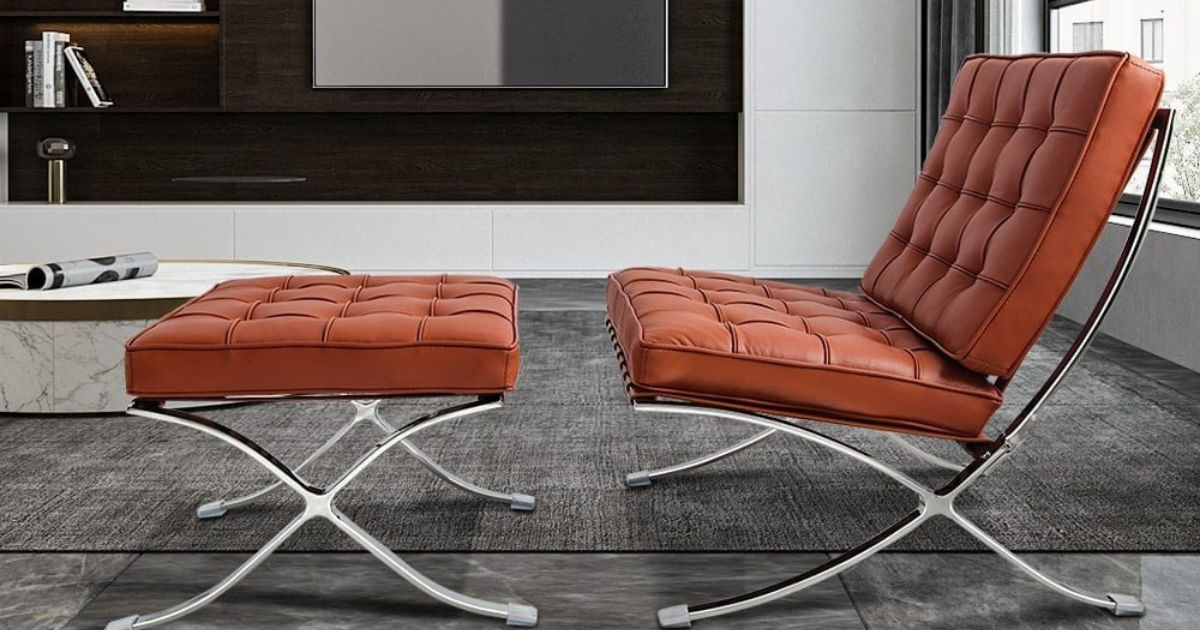
Understanding how seat depth affects comfort in an eames office chair can help you make a smarter investment in your office furniture.
The eames office chair is famous for its ergonomic design and timeless style. While it may look sleek, its comfort depends on more than just cushioning or lumbar support. The seat depth plays a critical role in ensuring that your legs, back, and hips are properly aligned.
A chair that is too deep or too shallow can cause discomfort, pain, and fatigue. In this guide, we will explore the factors that determine ideal seat depth, how it influences your body, and tips to maximize comfort in your eames office chair.
Understanding Seat Depth
Seat depth is the horizontal measurement from the front edge of the chair’s seat to the backrest. In an eames office chair, this dimension is carefully designed to provide support while allowing for flexibility. Proper seat depth ensures that your thighs are fully supported without putting pressure behind your knees. If the seat is too deep, it can prevent you from sitting back comfortably against the backrest. If it is too shallow, it may fail to support your thighs adequately, causing tension in your hips.
Ergonomics experts often recommend a seat depth that allows 2 to 4 inches between the back of your knees and the edge of the seat. This space is essential for circulation and reduces pressure on your lower limbs. The eames office chair is designed with different seat depths in some models, giving users options for personalized comfort.
Why Seat Depth Matters
The importance of seat depth goes beyond simple comfort. It affects several aspects of your physical well-being, particularly during extended periods of sitting. Here are some key reasons why seat depth is critical in an eames office chair:
Posture Support
Proper seat depth encourages correct spinal alignment. When your thighs are fully supported, and your back rests comfortably against the backrest, your spine maintains its natural curve. An incorrect seat depth can lead to slouching, leaning forward, or rounding of the shoulders, which may result in long-term back problems.
Circulation
If the seat is too deep, it can compress the back of your knees, restricting blood flow. Poor circulation can cause numbness, tingling, or even long-term vascular issues. On the other hand, a seat that is too shallow may not distribute weight evenly across your thighs, leading to discomfort and fatigue.
Hip Comfort
Seat depth also affects the angle at which your hips rest. A seat that is too deep can force your hips into a less natural position, creating strain in the lower back and hip joints. An eames office chair with optimal seat depth allows your hips to relax naturally while providing firm support for your pelvis.
Productivity
Comfort directly impacts productivity. Sitting in a chair with improper seat depth can lead to frequent adjustments, discomfort, and distractions. By choosing an eames office chair with the right seat depth, you can focus longer on your tasks without experiencing fatigue or soreness.
How to Measure the Right Seat Depth
Finding the correct seat depth for your eames office chair requires a few simple steps. While manufacturers provide recommended dimensions, individual body proportions can vary significantly.
-
Sit on a Flat Surface: Sit on a hard surface with your back straight against a wall. Keep your feet flat on the floor.
-
Measure Your Thigh Length: Use a tape measure to measure from the back of your buttocks to the back of your knees. This is your ideal seat depth range.
-
Allow Space: Subtract 2 to 4 inches from your thigh measurement. This is the recommended seat depth for an eames office chair to ensure proper circulation and comfort.
-
Test the Chair: Sit in the chair and ensure that your back touches the backrest comfortably while there is a small gap behind your knees. Adjust as needed.
Adjustable Seat Depth in Eames Office Chairs
Some modern eames office chair models come with adjustable seat depth. This feature is particularly valuable for shared workspaces or multi-user environments. Adjustable seat depth allows users to personalize the chair according to their body type and sitting habits.
Benefits of Adjustable Seat Depth
-
Custom Comfort: Every user can modify the seat depth to match their thigh length and torso proportion.
-
Better Ergonomics: Adjustable depth helps maintain proper posture throughout the workday.
-
Health Advantages: Reduces pressure points, promotes better blood circulation, and prevents lower back strain.
Even for individuals who work from home, investing in an eames office chair with adjustable seat depth ensures long-term comfort and health.
Seat Depth and Desk Height Compatibility
While seat depth is crucial, it should be considered alongside desk height. A deep seat with a high desk can cause your arms to strain upward. Conversely, a shallow seat with a low desk may encourage slouching. For maximum comfort in an eames office chair:
-
Ensure that your elbows are at a 90-degree angle when using your desk.
-
Adjust your chair so your thighs rest comfortably with knees at a 90-degree angle.
-
Match seat height and depth with lumbar support to maintain spinal alignment.
By combining proper seat depth with desk ergonomics, you can create an optimal workspace setup that enhances both comfort and productivity.
Impact of Seat Depth on Different Body Types
Seat depth does not affect everyone equally. Body proportions, including leg length and torso height, influence how comfortable a chair will feel.
Shorter Users
Individuals with shorter legs may find deep seats uncomfortable because their feet may not reach the floor properly. This can cause strain in the lower back. For shorter users, a shallow seat depth or adjustable eames office chair is ideal.
Taller Users
Taller users often benefit from deeper seats that fully support longer thighs. Without enough seat depth, their thighs may dangle or receive inadequate support, leading to pressure on the hips and lower back.
Average Build
People of average height generally fit well into standard eames office chair seat depths. However, minor adjustments may still enhance comfort, especially for long hours of sitting.
Signs Your Seat Depth May Be Wrong
Even high-quality chairs like the eames office chair can cause discomfort if the seat depth is incorrect. Look out for these signs:
-
Pressure behind the knees or numbness in the legs
-
Slouching or leaning forward to reach the backrest
-
Persistent lower back or hip pain
-
Difficulty maintaining proper posture for long periods
If any of these symptoms appear, adjusting the seat depth or considering a different model may be necessary.
Choosing the Right Eames Office Chair Seat Depth
When shopping for an eames office chair, consider these factors to ensure ideal seat depth:
-
Your Body Measurements: Measure your thigh length and torso height to find compatible seat depth.
-
Adjustability: Chairs with adjustable seat depth provide flexibility for different users.
-
Cushioning: Softer cushions can slightly alter effective seat depth.
-
Desk Compatibility: Ensure the seat depth works well with your desk height and workspace layout.
Proper selection minimizes discomfort and maximizes the ergonomic benefits of the chair.
Maintenance Tips for Comfort
Maintaining your eames office chair can also impact comfort:
-
Check Adjustments Regularly: Over time, seat depth mechanisms may loosen or shift.
-
Keep Cushions in Good Condition: Worn cushions can reduce support, effectively changing the seat depth feel.
-
Reassess Ergonomics: If your work habits change, reevaluate your seat depth and posture setup.
Regular maintenance ensures that the eames office chair continues to provide maximum comfort over years of use.
Seat Depth and Long-Term Health
The right seat depth in an eames office chair not only improves immediate comfort but also supports long-term health. Proper thigh and hip support reduces stress on the lower back, prevents musculoskeletal disorders, and improves circulation. Over time, this can decrease the risk of chronic pain, varicose veins, and other issues associated with prolonged sitting.
Investing in an eames office chair with the correct seat depth is an investment in your overall health and productivity.
Conclusion
Seat depth is a critical yet often overlooked factor when evaluating the comfort of an eames office chair. It affects posture, circulation, hip comfort, and productivity. Understanding how seat depth interacts with your body, desk height, and work habits is key to selecting the right chair. Adjustable seat depth offers the greatest flexibility, accommodating different body types and preferences.
By carefully measuring your thigh length, considering body proportions, and testing different seat depths, you can ensure that your eames office chair provides optimal support for long hours of work. Proper seat depth reduces pressure behind the knees, supports correct spinal alignment, and promotes circulation, all of which contribute to improved comfort and health.
Whether you are a student, professional, or remote worker, paying attention to seat depth in your eames office chair will make a noticeable difference in your daily comfort and long-term well-being. Remember, even the most stylish chair cannot compensate for improper ergonomics. Seat depth matters—and understanding it is essential for making your workspace both comfortable and productive.