
Why Liquid packing machine leakage happens?

A Liquid packing machine is widely used in food, beverage, chemical, and pharmaceutical industries for filling liquids into bottles, pouches, or containers.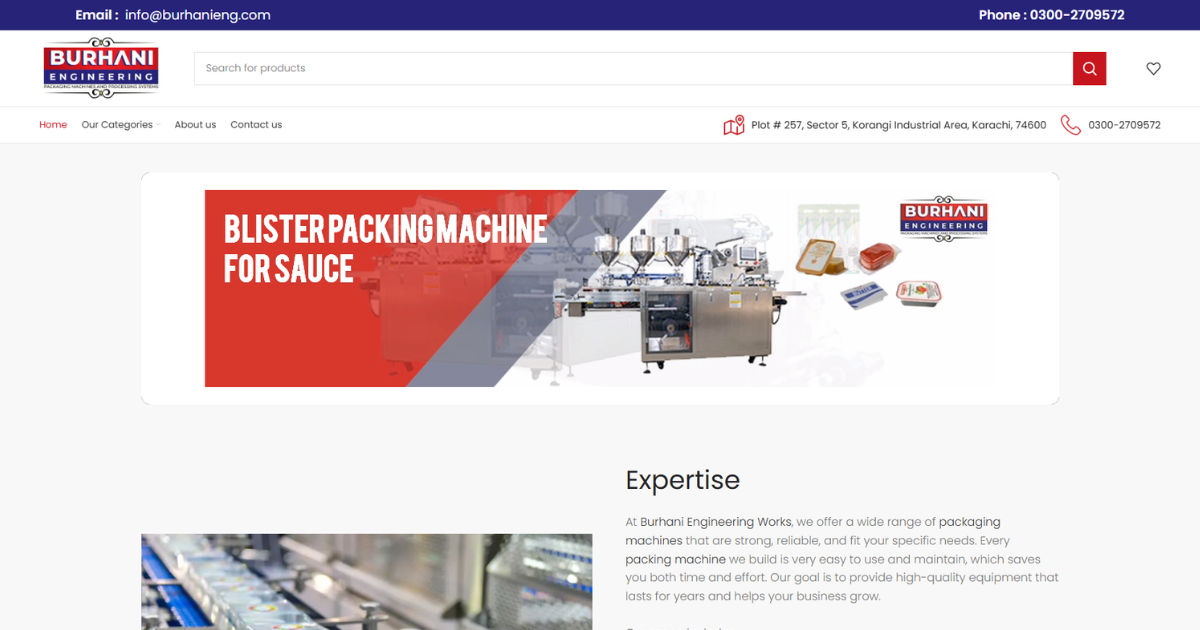
A common and frustrating issue faced by operators is leakage, which affects product quality, increases waste, and reduces production efficiency. Understanding why a Liquid packing machine develops leakage problems is essential for smooth operations and long-term machine reliability.
This guide explains the main causes of leakage, how to identify them, and practical ways to prevent and fix them in simple terms suitable for a 12th-grade reader.
Leakage in a Liquid Packing Machine
Leakage in a Liquid packing machine means unwanted escape of liquid during filling, sealing, or transfer processes. It may happen at pipe joints, nozzles, seals, valves, or even from the filled containers themselves.
A properly working Liquid packing machine should deliver precise quantities without spills. When leakage occurs, it signals a mechanical, operational, or maintenance-related issue.
Even a small leak in a Liquid packing machine can lead to large losses over time, especially in high-speed production lines.
Main Causes of Leakage in a Liquid Packing Machine
There are several technical and operational reasons why a Liquid packing machine may start leaking. Let’s explore them one by one.
1. Worn-Out Seals and Gaskets
One of the most common reasons for leakage in a Liquid packing machine is damaged or worn seals.
Seals and gaskets are responsible for keeping liquid inside pipes and chambers. Over time, continuous pressure and chemical exposure weaken them.
When seals degrade in a Liquid packing machine, small gaps form, allowing liquid to escape.
2. Improper Installation of Components
Incorrect assembly is another major cause of leakage in a Liquid packing machine.
If valves, hoses, or fittings are not installed tightly or aligned properly, liquid will find small escape paths.
A poorly assembled Liquid packing machine may show leakage even during initial operation.
3. Excessive Pressure in the System
A Liquid packing machine operates under controlled pressure to move liquids efficiently.
If the pressure is too high, it can force liquid through weak points or damage seals.
High pressure inside a Liquid packing machine can also cause pipe joints to loosen, resulting in leakage.
4. Viscosity Mismatch of Liquid
Different liquids behave differently. A Liquid packing machine designed for water-like fluids may struggle with thick or sticky liquids like syrups or oils.
If viscosity is not properly adjusted, pressure imbalance occurs, leading to leakage.
Using the wrong settings in a Liquid packing machine is a frequent operator mistake.
5. Damaged Nozzles or Filling Heads
Nozzles are critical parts of a Liquid packing machine. They control the flow of liquid into containers.
If nozzles become worn, cracked, or clogged, liquid may drip continuously even when filling stops.
A damaged nozzle in a Liquid packing machine is one of the easiest issues to detect but often ignored.
6. Temperature Fluctuations
Temperature plays a key role in liquid behavior. A Liquid packing machine operating in extreme heat or cold may experience leakage issues.
Heat can expand metal parts, while cold can shrink seals, both leading to gaps.
This imbalance in a Liquid packing machine structure often results in slow but continuous leakage.
7. Poor Quality Spare Parts
Using low-quality or incompatible spare parts in a Liquid packing machine increases the risk of leakage.
Cheap seals, valves, or tubes may not withstand industrial pressure or chemical exposure.
A Liquid packing machine depends heavily on precision components, so quality matters significantly.
8. Blockages and Residue Build-Up
Over time, residues from liquids can build up inside pipes and valves of a Liquid packing machine.
This causes uneven flow and pressure, forcing liquid to leak from weak points.
A clogged Liquid packing machine is more likely to leak at joints and seals.
9. Pump Malfunctions
The pump is the heart of a Liquid packing machine. If it fails or becomes weak, it can cause irregular pressure distribution.
This uneven pressure leads to leakage at various points in the Liquid packing machine system.
10. Operator Errors
Human mistakes are also responsible for leakage in a Liquid packing machine.
Incorrect settings, overfilling, or skipping maintenance checks can all lead to leakage issues.
Even a well-designed Liquid packing machine cannot perform properly if operated incorrectly.
How to Identify Leakage Early in a Liquid Packing Machine
Early detection can save time and money. A Liquid packing machine usually shows warning signs before major leakage occurs.
Look for:
- Small droplets around seals
- Wet patches under the machine
- Irregular filling levels
- Pressure drops in the system
- Strange noises during operation
A carefully monitored Liquid packing machine will rarely face severe leakage problems.
Preventing Leakage in a Liquid Packing Machine
Prevention is always better than repair. A Liquid packing machine can operate efficiently for years if properly maintained.
Regular Maintenance
Routine inspection of seals, valves, and hoses in a Liquid packing machine helps prevent leakage.
Cleaning internal parts regularly also reduces residue buildup.
Use High-Quality Components
Always use certified parts for a Liquid packing machine.
Good quality seals and fittings last longer and reduce leakage risk significantly.
Proper Calibration
A correctly calibrated Liquid packing machine ensures balanced pressure and accurate filling.
Calibration should be checked frequently, especially after maintenance.
Temperature Control
Maintaining stable temperature conditions helps a Liquid packing machine operate smoothly.
Avoid placing machines in extreme heat or cold environments.
Training Operators
Well-trained operators can prevent most leakage issues in a Liquid packing machine.
They understand correct settings, cleaning procedures, and warning signs.
Troubleshooting Leakage in a Liquid Packing Machine
When leakage occurs, a step-by-step approach is needed.
Step 1: Inspect Seals and Joints
Check all sealing points in the Liquid packing machine for visible damage or looseness.
Step 2: Check Pressure Settings
Ensure pressure is within recommended limits in the Liquid packing machine.
Step 3: Clean Blockages
Remove any residue or clogging inside the Liquid packing machine system.
Step 4: Examine Nozzles
Replace or clean damaged nozzles in the Liquid packing machine.
Step 5: Test Pump Performance
Ensure the pump of the Liquid packing machine is working smoothly and consistently.
Importance of Preventing Leakage in Liquid Packing Machine
Leakage is not just a minor issue; it can seriously affect production efficiency.
A leaking Liquid packing machine leads to:
- Product wastage
- Higher operational costs
- Reduced packaging accuracy
- Machine downtime
- Poor product quality
Industries rely on a properly functioning Liquid packing machine to maintain consistency and profitability.
Maintenance Best Practices for Long-Term Performance
To ensure a long life for a Liquid packing machine, follow these practices:
- Schedule weekly inspections
- Replace worn parts immediately
- Keep machine clean and dry
- Monitor pressure levels regularly
- Maintain proper lubrication of moving parts
A well-maintained Liquid packing machine performs more efficiently and reduces leakage risks significantly.
Advanced Solutions for Leakage Control
Modern technology has improved the design of the Liquid packing machine significantly.
Some advanced solutions include:
- Automatic leak detection sensors
- Smart pressure control systems
- Self-cleaning nozzles
- Digital monitoring panels
These upgrades make a Liquid packing machine more reliable and reduce human error.
Future Improvements in Liquid Packing Machine Technology
Future designs of the Liquid packing machine will focus on higher precision and zero-leak systems.
Manufacturers are working on:
- Better sealing materials
- AI-based monitoring systems
- Eco-friendly fluid handling systems
- Fully automated maintenance alerts
These improvements will make the Liquid packing machine more efficient and durable.
Conclusion
Leakage in a Liquid packing machine is a common but manageable problem that can arise due to several mechanical, operational, and environmental factors. From worn seals and improper installation to pressure imbalance and operator errors, every issue plays a role in reducing machine efficiency.
However, with proper maintenance, quality components, correct calibration, and trained operators, most leakage problems in a Liquid packing machine can be prevented. Regular inspection and early detection are key to avoiding costly downtime and product loss.
A well-maintained Liquid packing machine not only improves productivity but also ensures consistent product quality and long-term operational success. Investing in care, training, and modern upgrades is the best way to keep the system leak-free and efficient.