
What is custom water features contractor planning?

A custom water features contractor plays a central role in turning outdoor spaces into visually stunning and functional water landscapes.
The custom water features contractor is responsible not only for building fountains, ponds, waterfalls, and streams but also for carefully planning every detail before construction begins.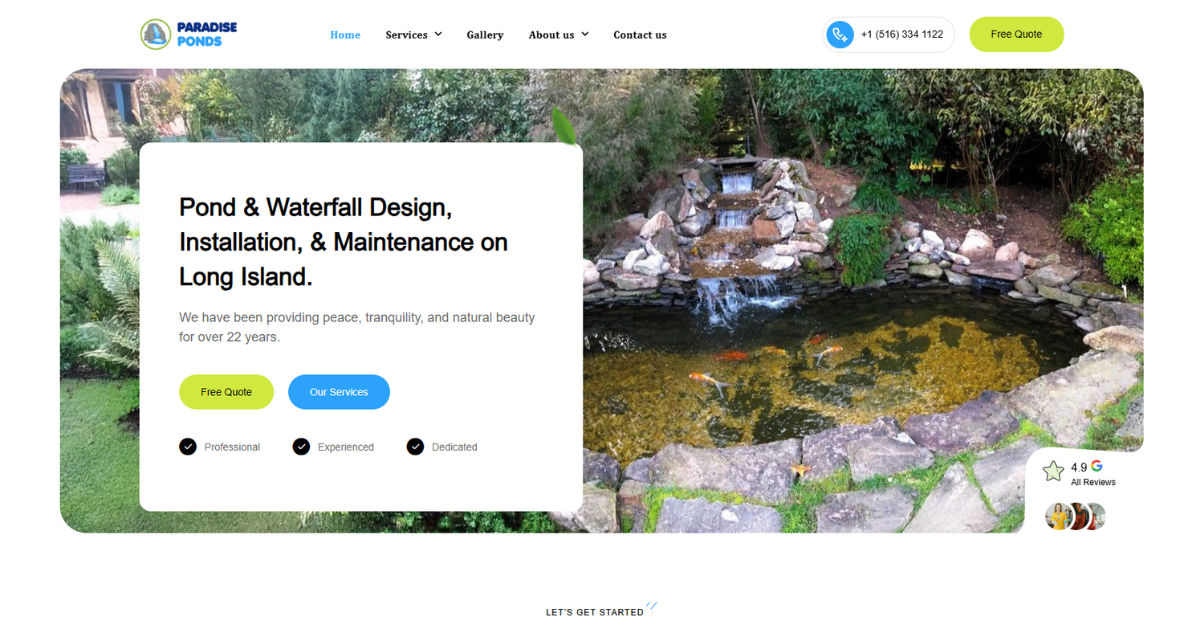
In simple terms, the custom water features contractor ensures that design ideas, technical requirements, and site conditions all work together smoothly.
Without proper planning by a custom water features contractor, even the most beautiful concept can fail during installation or long-term use.
This guide explains in detail what custom water features contractor planning involves, why it matters, and how it impacts the success of water feature projects.
You will also learn how professionals approach design, budgeting, engineering, and maintenance. The goal is to make the process easy to understand for a 12th-grade reading level while still covering advanced concepts in a practical way.
Custom Water Features Contractor Planning
A custom water features contractor begins every project with detailed planning. This planning stage is the foundation of the entire project. The custom water features contractor studies the client’s vision, evaluates the space, and determines what is technically possible.
Planning includes measuring land, checking soil conditions, understanding water sources, and designing flow systems. A custom water features contractor also considers safety, energy use, and long-term maintenance.
Without this step, mistakes can lead to leaks, drainage problems, or high repair costs. That is why a skilled custom water features contractor treats planning as the most important phase.
A custom water features contractor does not simply build water features—they design systems that function efficiently and last for years.
Importance of Custom Water Features Contractor Planning
The importance of custom water features contractor planning cannot be overstated. It ensures that every detail is accounted for before construction begins.
A custom water features contractor helps avoid costly redesigns by identifying problems early. For example, improper slope or poor drainage can ruin a water feature. Planning prevents these issues.
Another reason custom water features contractor planning is important is aesthetics. Water features must blend with gardens, patios, or commercial landscapes. A custom water features contractor ensures visual balance between water movement, lighting, and surroundings.
Energy efficiency is also part of planning. A custom water features contractor selects pumps and systems that minimize electricity usage while maintaining performance.
Ultimately, a well-planned project by a custom water features contractor results in better durability, lower maintenance, and improved beauty.
Site Analysis in Custom Water Features Contractor Planning
Site analysis is one of the first steps a custom water features contractor performs. It determines whether the land is suitable for a water feature and what adjustments are needed.
A custom water features contractor studies elevation, soil type, and drainage patterns. For example, clay soil holds water differently than sandy soil, which affects construction decisions.
Sunlight exposure is also analyzed. A custom water features contractor evaluates how sunlight will affect algae growth and water evaporation.
Access to electricity and water supply is another key factor. The custom water features contractor ensures pumps and filtration systems can be installed safely.
Space limitations are also considered. A custom water features contractor may redesign elements to fit small gardens or adjust scale for large commercial areas.
This stage ensures that the final design is realistic and practical.
Design Phase in Custom Water Features Contractor Planning
The design phase is where creativity meets technical skill. A custom water features contractor creates detailed layouts based on the client’s vision.
This includes sketching water flow paths, selecting materials, and designing structural elements. A custom water features contractor also considers sound effects, such as gentle streams or dramatic waterfalls.
Digital tools are often used by a custom water features contractor to create 3D models. These help clients visualize the final result before construction begins.
Lighting design is another important part. A custom water features contractor integrates LED lighting to enhance nighttime appearance.
During this phase, the custom water features contractor also ensures the design fits the environment, whether it is modern, natural, or classical.
Good design reduces future maintenance and improves efficiency.
Material Selection by Custom Water Features Contractor
Choosing the right materials is essential in water feature construction. A custom water features contractor selects materials based on durability, appearance, and cost.
Common materials include natural stone, concrete, fiberglass, and metal. A custom water features contractor ensures that materials are waterproof and weather-resistant.
For example, natural stone is often used for ponds and waterfalls because it blends with outdoor environments. A custom water features contractor may also use liners to prevent leakage.
Pumps and filtration systems are selected carefully. A custom water features contractor ensures they match the size and flow requirements of the project.
The wrong materials can lead to cracks, leaks, or system failure. That is why a custom water features contractor focuses heavily on quality selection.
Engineering and Plumbing in Custom Water Features Contractor Planning
Engineering is one of the most technical parts of the process. A custom water features contractor designs water flow systems that ensure smooth circulation.
Plumbing involves pipes, pumps, filters, and drainage systems. A custom water features contractor calculates water pressure and flow rate to prevent overflow or stagnation.
Electrical systems are also included. A custom water features contractor ensures safe wiring for pumps, lights, and automation systems.
Filtration is another important part. A custom water features contractor designs systems that keep water clean and reduce algae growth.
Proper engineering ensures long-term performance and reduces repair costs.
Without accurate calculations, even a beautiful design can fail. That is why the custom water features contractor pays close attention to technical details.
Budgeting in Custom Water Features Contractor Planning
Budgeting is a critical step in every project. A custom water features contractor creates a cost estimate that includes materials, labor, equipment, and maintenance.
The custom water features contractor helps clients understand where money is being spent and how to optimize costs.
Unexpected expenses can occur, so a custom water features contractor usually includes contingency planning.
Budgeting also includes long-term costs. A custom water features contractor considers electricity usage, cleaning, and repairs.
By planning carefully, the custom water features contractor ensures that the project stays within financial limits while maintaining quality.
A clear budget helps avoid misunderstandings and keeps the project on track.
Installation Process by Custom Water Features Contractor
Once planning is complete, installation begins. A custom water features contractor follows a step-by-step process to build the water feature.
First, the site is prepared. A custom water features contractor clears debris, levels ground, and marks layout areas.
Next, excavation begins. A custom water features contractor digs ponds or channels according to design specifications.
After that, plumbing and electrical systems are installed. A custom water features contractor ensures everything is properly sealed and tested.
Then structural elements like rocks, fountains, or waterfalls are placed. A custom water features contractor carefully arranges each piece for natural appearance.
Finally, the system is filled with water and tested. A custom water features contractor checks for leaks, flow consistency, and pump efficiency.
This stage brings the design to life.
Maintenance Planning in Custom Water Features Contractor Work
Maintenance is essential for long-lasting water features. A custom water features contractor provides detailed maintenance plans after installation.
This includes cleaning schedules, water treatment, and equipment inspection. A custom water features contractor also explains how to prevent algae growth.
Seasonal maintenance is important. A custom water features contractor may recommend winter shutdown procedures in colder regions.
Pump servicing and filter replacement are also part of maintenance. A custom water features contractor ensures clients understand how to care for their system.
Good maintenance extends the lifespan of the water feature and keeps it looking beautiful.
Common Mistakes in Custom Water Features Contractor Projects
Even with planning, mistakes can happen. A custom water features contractor helps prevent common issues.
One mistake is poor drainage. A custom water features contractor ensures proper water flow direction to avoid flooding.
Another issue is incorrect pump sizing. A custom water features contractor selects pumps that match system needs.
Using low-quality materials is also a problem. A custom water features contractor avoids materials that degrade quickly.
Ignoring maintenance is another mistake. A custom water features contractor always emphasizes long-term care.
Avoiding these mistakes leads to better performance and durability.
Hiring Tips for Custom Water Features Contractor
Choosing the right professional is important. A custom water features contractor should have experience, strong design skills, and technical knowledge.
Clients should review past projects of a custom water features contractor before hiring.
Clear communication is also important. A custom water features contractor should explain designs and costs clearly.
Licensing and insurance are also essential. A custom water features contractor must follow safety standards.
Good hiring decisions lead to successful projects and fewer problems later.
Future Trends in Custom Water Features Contractor Planning
The future of water feature design is evolving. A custom water features contractor now uses smart technology for automation and remote control systems.
Energy-efficient pumps are becoming more popular. A custom water features contractor integrates solar-powered systems in modern designs.
Eco-friendly materials are also trending. A custom water features contractor focuses on sustainability and water conservation.
Advanced lighting and digital controls improve visual effects. A custom water features contractor uses technology to create interactive water features.
These trends show how innovation is shaping the industry.
Conclusion
In conclusion, custom water features contractor planning is a detailed and essential process that transforms ideas into functional and beautiful water landscapes. A custom water features contractor manages every stage, from site analysis and design to installation and maintenance.
Without proper planning, water features can face structural issues, high costs, or poor performance. That is why the role of a custom water features contractor is so important in ensuring success.
From technical engineering to creative design, a custom water features contractor balances both science and art. They ensure that each project is safe, efficient, and visually appealing.
Whether for a small garden or a large commercial space, working with a skilled custom water features contractor guarantees long-lasting results and customer satisfaction.
Understanding this planning process helps clients make better decisions and appreciate the complexity behind water feature construction.