
Path of Exile 2 Patch 05 Best Atlas Tree and Map Farming Strategies

The Return of the Ancients expansion introduced a completely reworked Atlas passive tree for Path of Exile 2, fundamentally changing how players approach endgame map sustain and currency generation. Understanding the optimal poe2 atlas tree 0.5 setup is the difference between scraping by on alchemy orb drops and drowning in raw divine orbs every mapping session. The new tree features over eighty specialized nodes spread across seven distinct clusters, each designed to support different farming strategies and league mechanics.
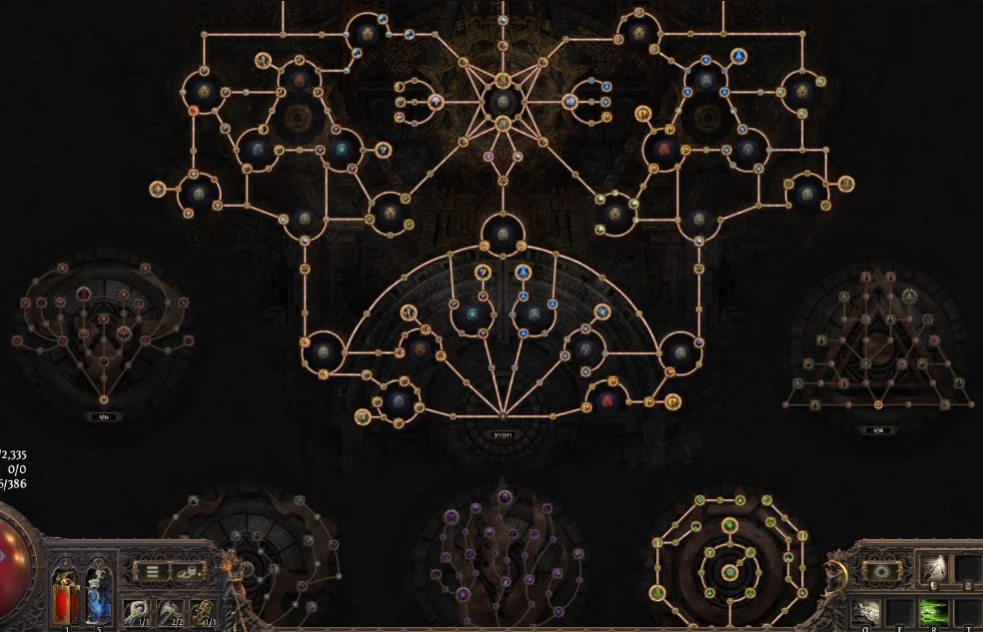
The most impactful change in the poe 2 atlas tree 0.5 is the introduction of Rune of Aldur mechanics as a core atlas keystone path. This new system allows you to empower specific map regions with ancient runes that amplify loot quantity, monster density, and the chance for valuable unique item drops. Building your atlas tree around Rune of Aldur synergies can triple your effective currency per hour compared to a generic farming setup, making it the default choice for serious endgame farmers in the current league.
Recommended Atlas Tree Setup for Currency Farming
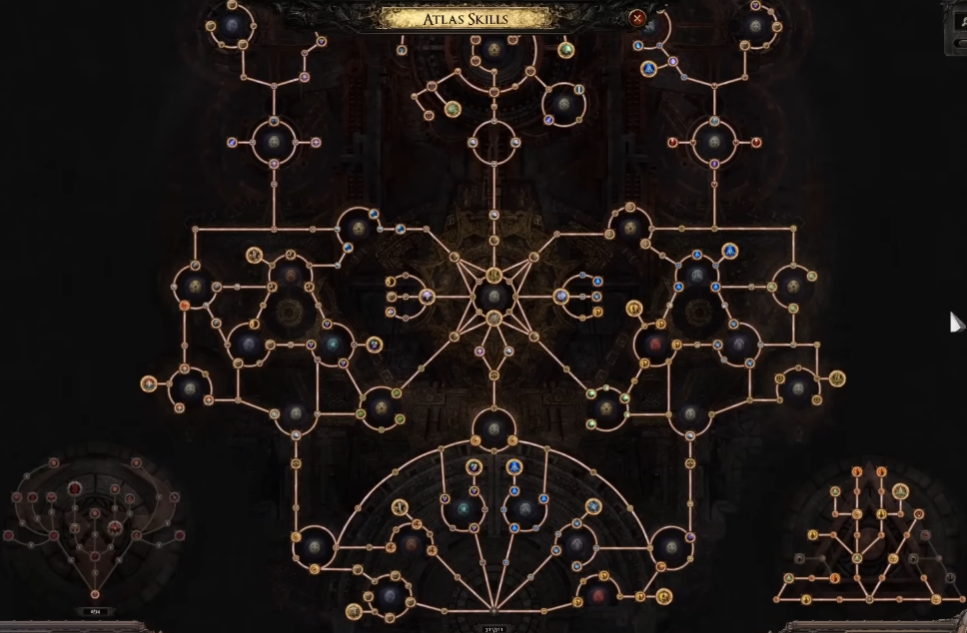
For maximum currency generation, we recommend investing sixty-four atlas points into the following tree layout. Start by pathing toward the Rune of Aldur keystone in the upper-right quadrant of the tree, picking up all minor nodes that increase rare monster pack size and map quantity along the way. The poe 2 0.5 atlas tree requires careful point allocation because many of the most powerful nodes are gated behind specific keystones that also carry drawbacks.
- Rune of Aldur Keystone – Core node that enables ancient rune mechanics on influenced maps
- Abundant Hoards Wheel – Four points granting 60 percent increased currency item quantity from rare monsters
- Map Sustain Cluster – Eight points ensuring you never run out of high-tier map drops
- Beyond Invitations Path – Six points for extra beyond boss spawns and related loot explosions
- Expedition Efficiency Nodes – Four points for reduced logbook costs and doubled artifact drops
- Shaper Influence Connection – Three points linking shaper map drops to your rune-empowered regions
One of the most common mistakes players make when speccing the poe2 atlas skill tree 0.5 is over-investing in single league mechanics at the expense of map sustain. While the Expedition nodes are extremely profitable, you cannot make money from expedition encounters if you have no maps to run. We recommend reserving at least twelve points for map sustain nodes before investing heavily in any one league mechanic. This conservative approach ensures you maintain a steady flow of T14 to T16 maps without needing to trade for them on the currency exchange.
The new Shaper and Elder influence mechanics in patch 0.5 add another layer of complexity to the atlas tree. By allocating the Shaper Influence Connection nodes, your rune-empowered maps will occasionally drop Shaper-influenced items with elevated mod pools that can be vendored for significant profit. The key is to stack as many quantity multipliers as possible on your chosen region before activating the daily Rune of Aldur bonus, creating a compounding effect that dramatically increases your loot per map over a standard farming session.
For players just reaching endgame and looking to build their initial currency pool, we suggest starting with a simplified tree focused entirely on map sustain and basic quantity nodes. The poe 2 0.5 atlas tree progression path should prioritize the center-left region first for its defensive and sustain nodes, then expand outward toward your preferred league mechanic specialization once you have established a comfortable map pool. This phased approach prevents the frustrating experience of hitting a map drought just when your build starts requiring expensive upgrades to progress further.