
Which Middle Eastern Appetizers Use Spices?

Spices are the heart of flavor in many global cuisines, and this is especially true in middle eastern appetizers. From warm earthy cumin to fragrant sumac and sweet cinnamon, spices transform simple ingredients into rich and memorable dishes.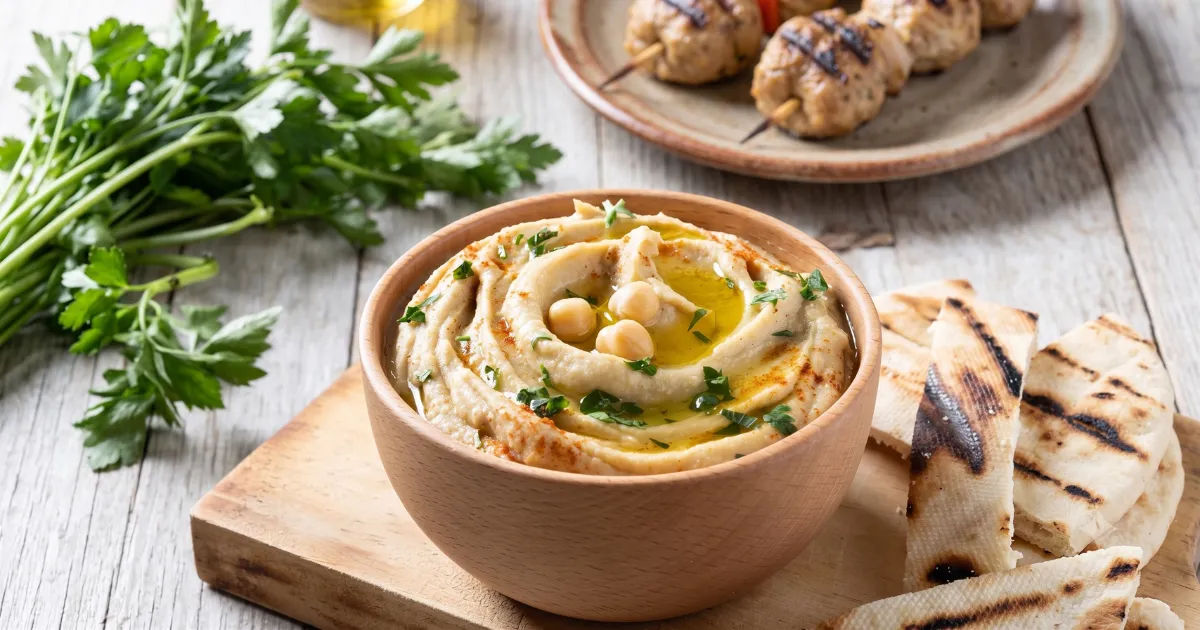
In fact, many middle eastern appetizers rely on carefully balanced spice blends that have been perfected over centuries of culinary tradition. These small dishes are not just starters—they are a celebration of culture, aroma, and taste.
In this guide, we will explore how middle eastern appetizers use spices, which spices are most common, and how they shape the identity of famous dishes. You will also learn how these spices are combined, how they affect health, and how you can recreate authentic flavors at home.
The Role of Spices in Middle Eastern Appetizers
Spices are not just an addition in middle eastern appetizers—they are the foundation of flavor. Without spices, many traditional dishes would taste flat or incomplete. The balance of spices creates depth, aroma, and complexity.
One reason middle eastern appetizers stand out is the careful layering of flavors. Instead of overpowering heat, spices are often used to enhance natural ingredients like chickpeas, eggplant, parsley, and yogurt. This creates a harmony that feels both bold and refreshing.
Common spices include cumin, coriander, paprika, sumac, cinnamon, and allspice. Each spice has a unique role. For example, cumin adds warmth, while sumac adds a tangy citrus-like flavor. Together, they create signature tastes that define middle eastern appetizers across the region.
Common Spice Blends Used in Middle Eastern Appetizers
Spice blends are essential in middle eastern appetizers, offering convenience and consistency in flavor. Instead of using single spices, chefs often combine several spices into one mix.
Za’atar
Za’atar is one of the most famous blends used in middle eastern appetizers. It typically includes thyme, sesame seeds, sumac, and salt. This blend is often sprinkled on bread, dips, and roasted vegetables.
Baharat
Baharat is a warm spice mix that may include black pepper, cinnamon, cloves, nutmeg, and paprika. It is widely used in middle eastern appetizers like meat-based dishes and stuffed vegetables.
Dukkah
Dukkah is a crunchy Egyptian blend made from nuts, seeds, and spices. It is often paired with olive oil and bread, making it a popular choice in middle eastern appetizers served at gatherings.
These blends make preparation easier while preserving the authentic taste of middle eastern appetizers.
Popular Middle Eastern Appetizers That Use Spices
Many well-known dishes rely heavily on spices to achieve their signature flavor. Below are some of the most popular examples.
Hummus
Hummus is one of the most famous middle eastern appetizers. It is made from blended chickpeas, tahini, lemon juice, and garlic. Spices like cumin and paprika are often added on top to enhance its flavor. The spice garnish not only improves taste but also adds visual appeal.
Falafel
Falafel is another iconic dish among middle eastern appetizers. Made from ground chickpeas or fava beans, it is seasoned with cumin, coriander, garlic, and parsley. These spices give falafel its earthy and aromatic taste.
Baba Ganoush
Baba Ganoush is a smoky eggplant dip that uses spices like cumin, paprika, and sometimes chili flakes. Among middle eastern appetizers, it stands out for its rich, smoky depth and creamy texture.
Tabbouleh
Tabbouleh is a fresh salad made with parsley, tomatoes, mint, and bulgur. While it is lighter in spice, it still uses black pepper and lemon zest, showing that even fresh middle eastern appetizers depend on subtle seasoning.
Kibbeh
Kibbeh is a savory dish made with ground meat, bulgur, and spices like cinnamon, allspice, and nutmeg. It is one of the most spice-rich middle eastern appetizers, offering deep and complex flavor.
How Spices Shape Flavor in Middle Eastern Appetizers
The use of spices in middle eastern appetizers is all about balance. Unlike cuisines that rely on extreme heat, Middle Eastern cooking focuses on harmony.
Cumin adds earthiness, coriander brings citrus notes, and cinnamon adds warmth. When combined correctly, these spices create layers of taste that evolve with every bite. This is why middle eastern appetizers feel so rich even when they use simple ingredients.
Another important factor is freshness. Many middle eastern appetizers use freshly ground spices rather than pre-packaged ones. This enhances aroma and makes dishes more vibrant.
Health Benefits of Spices in Middle Eastern Appetizers
Spices are not only about taste; they also provide health benefits, which is another reason middle eastern appetizers are widely appreciated.
Cumin supports digestion and may help reduce bloating. Turmeric has anti-inflammatory properties. Garlic helps boost immunity. Cinnamon may help regulate blood sugar levels.
Because middle eastern appetizers often include fresh herbs and spices, they are considered both flavorful and nutritious. Many traditional diets in the region rely on these appetizers as part of a balanced eating style.
In addition, spices reduce the need for excess salt or fat, making middle eastern appetizers a healthier choice compared to many fried or processed starters.
Cooking Techniques That Enhance Spices in Middle Eastern Appetizers
The way spices are used in middle eastern appetizers is just as important as the spices themselves. Different cooking techniques bring out different flavors.
Dry Roasting
Dry roasting spices before adding them to dishes enhances their aroma. This technique is often used in preparing spice blends for middle eastern appetizers.
Infusing in Oil
Spices are sometimes heated in olive oil to release their flavors. This infused oil is then drizzled over dips and salads in middle eastern appetizers.
Marination
Meats and vegetables are often marinated with spices for hours. This allows flavors to deeply penetrate the ingredients used in middle eastern appetizers.
Garnishing
Fresh spices or spice blends are often sprinkled on top just before serving. This final touch enhances both flavor and presentation in middle eastern appetizers.
Regional Differences in Spices Used in Middle Eastern Appetizers
Different regions have slightly different approaches to spices in middle eastern appetizers.
In Levantine cuisine, spices are often mild and balanced, focusing on cumin and sumac. In North African cuisine, especially Moroccan dishes, spices are bolder, often including cinnamon, saffron, and chili. Gulf cuisine tends to use stronger spice blends like baharat.
Despite these differences, all versions of middle eastern appetizers share a common goal: creating flavorful, aromatic, and satisfying dishes.
Tips for Making Authentic Middle Eastern Appetizers at Home
If you want to recreate authentic middle eastern appetizers, there are a few important tips to follow.
First, always use fresh spices when possible. Fresh spices have stronger aroma and flavor. Second, balance is key—avoid using too much of any single spice. Third, try toasting spices lightly before cooking to release their oils.
Another important tip is to use traditional spice blends like za’atar or baharat instead of mixing everything from scratch if you are a beginner. This helps maintain the authentic taste of middle eastern appetizers.
Finally, pair spices with fresh ingredients like herbs, lemon juice, and olive oil to achieve the best results.
Why Middle Eastern Appetizers Stand Out Globally
The global popularity of middle eastern appetizers comes from their unique spice profiles and versatility. They can be served cold or hot, as dips or finger foods, and they suit a wide range of diets.
Another reason middle eastern appetizers are loved worldwide is their ability to be both healthy and flavorful. The use of spices instead of heavy sauces makes them appealing to health-conscious eaters.
From casual meals to fine dining, middle eastern appetizers continue to influence global food trends.
Conclusion
Spices are the soul of middle eastern appetizers, shaping their flavor, aroma, and cultural identity. From simple dips like hummus to complex dishes like kibbeh, spices bring life and depth to every bite. The careful use of spice blends, fresh herbs, and traditional cooking methods ensures that middle eastern appetizers remain timeless and beloved around the world.
Whether you are exploring new cuisines or trying to cook at home, understanding the role of spices will help you appreciate the richness of middle eastern appetizers even more. These dishes are not just food—they are a reflection of history, tradition, and creativity.