
can temp number without app be used safely

A temp number is a virtual or disposable phone number that people use for privacy, verification, or short-term communication. A temp number can sometimes be used without installing an app, which makes it even more attractive for users who want quick access.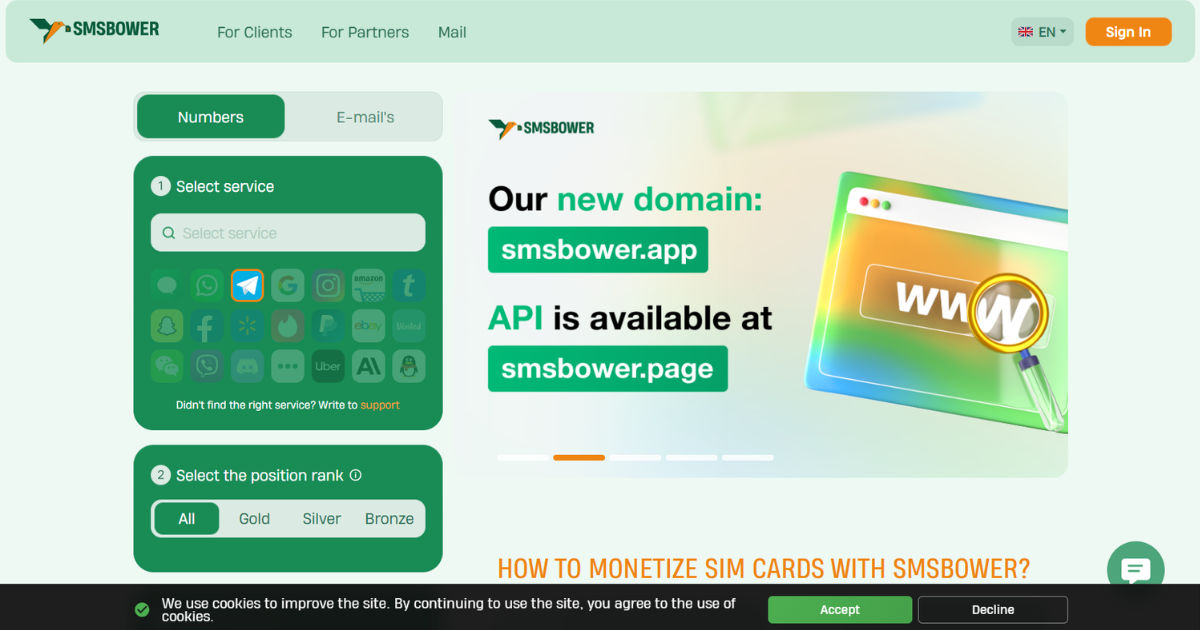
Many people search for a temp number because they want privacy while signing up on websites or receiving OTPs. But the real question is whether a temp number without app access is truly safe to use.
In simple terms, a temp number without an app usually works through web-based platforms instead of mobile applications. This means you can access a temp number through a browser without downloading anything.
While this sounds convenient, the safety of a temp number depends on how and where it is used. Some people assume a temp number is completely anonymous and secure, but that is not always true.
Understanding the safety of a temp number requires looking at privacy risks, data handling, service quality, and the purpose behind using a temp number. In this guide, we will explore all aspects of using a temp number without an app, including its benefits, risks, and safe usage practices.
What is a temp number?
A temp number is a temporary phone number that is not permanently assigned to a single user. Instead, a temp number is often shared or recycled after a short period. The main purpose of a temp number is to provide users with a way to receive SMS messages or verification codes without revealing their real phone number.
A temp number is commonly used for:
- Online registrations
- Social media sign-ups
- One-time password (OTP) verification
- Privacy protection
- Avoiding spam calls
A temp number can be accessed in different ways. Some platforms offer a mobile app, while others provide a web-based dashboard. A temp number without app usage simply means you access the service through a browser instead of installing software.
Even though a temp number is convenient, it is important to understand that it is not a private personal number. A temp number is usually shared with other users, which can impact privacy and reliability.
How does a temp number without app work?
A temp number without app functions through cloud-based systems. Instead of installing an application, you visit a website that provides a temp number service. Once you select a temp number, the system assigns you access to that number’s inbox.
Here is how a typical temp number without app works:
- You open a website that provides a temp number
- You choose a country or region for your temp number
- The system assigns a temp number to you temporarily
- You use the temp number to receive SMS online
- Messages appear in a browser inbox linked to the temp number
A temp number in this setup is usually public or semi-public. This means anyone using the same temp number may be able to see incoming messages depending on the platform.
The biggest advantage of a temp number without app is convenience. You can access a temp number from any device with internet access. However, convenience does not always guarantee security when using a temp number.
Is a temp number without app safe to use?
The safety of a temp number without app depends on several factors. In general, a temp number is safe for low-risk activities but not recommended for sensitive tasks.
A temp number can be considered safe when:
- You use it for non-sensitive registrations
- You do not share personal or financial data
- The platform offering the temp number is reputable
However, a temp number becomes unsafe when:
- It is used for banking or financial accounts
- It is used for important personal accounts
- The temp number inbox is publicly accessible
- The provider does not protect user data
A major concern with a temp number is message visibility. If the temp number inbox is public, anyone can see OTPs or messages sent to that number. This makes a temp number risky for secure logins.
Another issue is control. A temp number is not owned by you, so you may lose access at any time. If your temp number expires, you may not be able to recover accounts linked to it.
Privacy concerns of using a temp number
Privacy is one of the main reasons people use a temp number, but it is also one of the biggest risks.
A temp number may expose your messages to:
- Other users sharing the same temp number
- Platform administrators
- Third-party data systems
When using a temp number, your SMS data may not be fully private. Some services store or display messages publicly, meaning a temp number does not guarantee confidentiality.
A temp number without app may also lack encryption. This means your messages are not always protected during transmission. While a temp number helps hide your real phone number, it does not always protect your identity completely.
If privacy is your main concern, you should carefully evaluate whether a temp number is appropriate for your use case.
Security risks of temp numbers without apps
A temp number without app introduces several security risks that users should understand.
Shared access risk
Many temp number services are shared. This means multiple users can access the same temp number, increasing the risk of exposure.
OTP interception
A temp number is often used for verification codes. If others can see messages, your OTPs may be intercepted.
Account recovery issues
If you register an account using a temp number, you may lose access when the number expires.
Data logging
Some temp number providers log user activity. This means your usage of a temp number might be stored.
Lack of encryption
Not all temp number platforms use strong encryption, making data vulnerable.
Because of these risks, a temp number should never be used for critical accounts like banking, email recovery, or government services.
Benefits of using a temp number without app
Despite risks, a temp number offers several benefits when used correctly.
1. Easy access
A temp number without app is accessible through any browser, making it convenient.
2. No installation required
You do not need to download anything to use a temp number.
3. Spam protection
A temp number helps avoid spam calls and messages on your personal number.
4. Quick verification
A temp number is useful for quick sign-ups and testing services.
5. Anonymity
A temp number provides a layer of anonymity when registering on websites.
These benefits make a temp number useful for short-term or low-risk tasks.
When should you avoid using a temp number?
A temp number is not suitable for every situation. You should avoid using a temp number in the following cases:
- Banking and financial apps
- Email recovery accounts
- Social media accounts you want long-term access to
- Work or official communication
- Any service requiring strong identity verification
A temp number should only be used for temporary or non-critical purposes. Using a temp number for sensitive accounts can lead to permanent loss of access.
Safe practices for using temp numbers without apps
If you decide to use a temp number, you should follow safety practices to reduce risks.
Choose trusted providers
Always use a reliable temp number service with good reviews.
Avoid sensitive accounts
Never use a temp number for financial or personal accounts.
Check privacy policy
Before using a temp number, read how your data is handled.
Use for short-term tasks only
A temp number should be used temporarily, not permanently.
Avoid public inboxes
If possible, avoid temp number services where messages are publicly visible.
Do not store important data
Never rely on a temp number for long-term communication.
Following these steps can make using a temp number much safer.
Alternatives to temp numbers
If you are unsure about using a temp number, there are safer alternatives:
1. Secondary SIM card
A prepaid SIM is more secure than a temp number.
2. Virtual private number services
Some paid services offer private virtual numbers instead of a temp number.
3. Email verification instead
Some platforms allow email instead of a temp number.
4. Google Voice or similar services
These offer more stable alternatives to a temp number in supported regions.
Each alternative provides more control than a typical temp number.
Common myths about temp numbers
There are several misconceptions about a temp number:
Myth 1: A temp number is completely anonymous
Not always true. A temp number can still be tracked.
Myth 2: A temp number is always safe
Safety depends on the provider and usage of the temp number.
Myth 3: A temp number cannot be traced
Some temp number services log user data.
Myth 4: All temp numbers are private
Many temp number inboxes are shared publicly.
Understanding these myths helps users make better decisions about a temp number.
Conclusion
A temp number without app can be a useful tool for quick and temporary communication needs, but its safety depends heavily on how it is used. A temp number is convenient for sign-ups, testing platforms, and avoiding spam, but it is not designed for secure or long-term use.
The biggest limitation of a temp number is lack of ownership and privacy. Since a temp number is often shared or temporary, users risk losing access or exposing sensitive information. For this reason, a temp number should always be used with caution and only for non-critical tasks.
If used wisely, a temp number can help protect your real phone number and improve online privacy. However, relying on a temp number for important accounts can create serious risks.
In summary, a temp number without app is safe only in low-risk situations, but not for sensitive or permanent communication needs.