
Color Psychology in Modern Pakistani Fashion

Modern Pakistani fashion is a vibrant canvas that beautifully blends tradition with contemporary trends. One fascinating aspect that often goes unnoticed is the role of colors in influencing emotions, perceptions, and even social statements.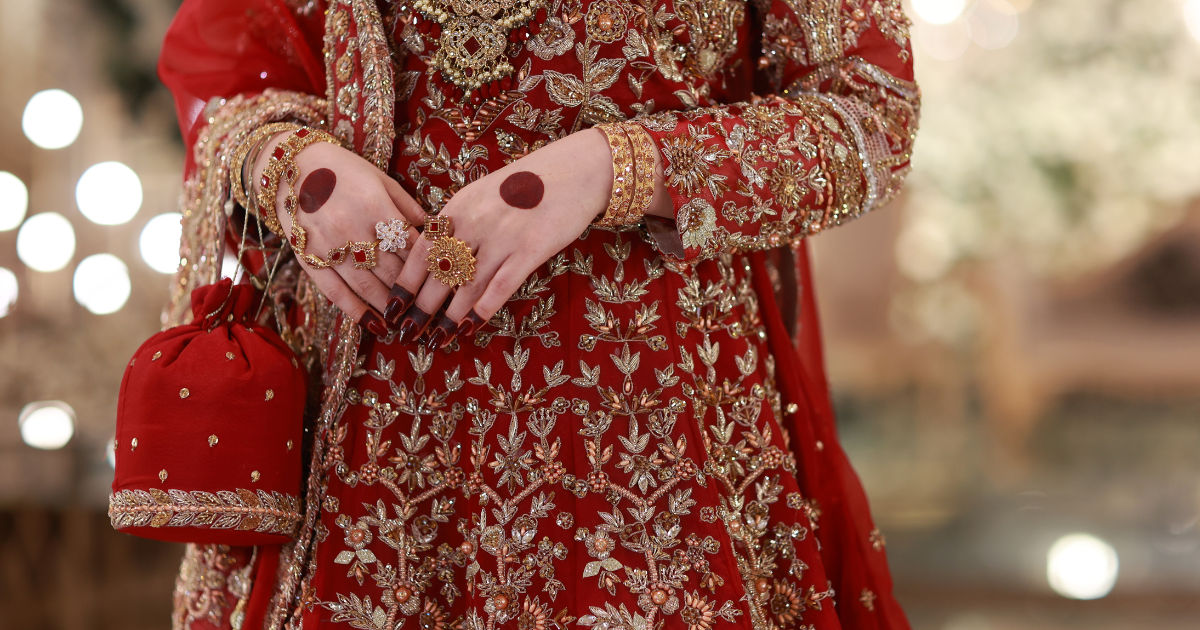
In the world of fashion, understanding color psychology is not just about picking what looks good—it’s about conveying a message without words. Nani je, a phrase synonymous with traditional elegance, often inspires designers to choose colors that reflect culture, mood, and identity.
In this guide, we’ll explore how colors are used in modern Pakistani fashion, their psychological effects, and how you can harness their power in your wardrobe.
What is Color Psychology?
Color psychology is the study of how colors affect human behavior, feelings, and perceptions. Each color can evoke specific emotions and influence the way we perceive people and situations. In fashion, colors are tools that communicate personality, mood, and even cultural values. Designers use these insights to create clothing that connects emotionally with the wearer and the observer.
In Pakistani fashion, color psychology is especially important because clothing is not only about style but also about social and cultural expression. From weddings to casual wear, the colors chosen reflect tradition, modernity, and personal taste.
The Role of Color in Pakistani Fashion
Pakistani fashion is a mix of vibrant hues, pastels, and earthy tones. Color is used strategically to highlight cultural motifs, enhance body shapes, and reflect seasonal trends. For instance, bright reds and oranges dominate festive collections, while softer pastels are preferred for casual or formal daywear.
Nani je has always emphasized colors that carry meaning. For example, a deep maroon might symbolize strength and elegance, while a soft mint green can indicate freshness and calmness. Understanding these associations helps both designers and wearers make thoughtful fashion choices.
How Colors Affect Emotions and Perceptions
Colors can evoke a range of emotions. Here’s a breakdown of some common colors used in Pakistani fashion and their psychological impact:
Red
Red is a bold and powerful color. It is often associated with passion, love, and celebration. In Pakistani weddings, red is traditionally worn by brides to symbolize fertility, prosperity, and happiness. Modern designers incorporate red into contemporary outfits, blending it with gold or neutral tones for balance.
Blue
Blue evokes calmness, trust, and serenity. In modern Pakistani fashion, shades of blue—from deep navy to soft sky blue—are popular in both casual and formal wear. Blue outfits can make the wearer appear confident and approachable, making it a favorite choice for office events or social gatherings.
Green
Green represents nature, growth, and harmony. Pakistani fashion often uses green in festive attire, especially during religious celebrations like Eid. Darker shades of green convey richness and tradition, while lighter shades are refreshing and youthful.
Yellow
Yellow is cheerful and energizing. It symbolizes happiness, optimism, and creativity. In Pakistani fashion, yellow is often used in summer collections and daytime events. Designers pair yellow with white or pastel shades to maintain a balanced and lively look.
Pink
Pink is linked to love, compassion, and femininity. Soft pinks are widely used in casual and formal wear, while hot pinks make a bold fashion statement. In bridal fashion, pink has become a popular alternative to traditional red, offering a modern yet culturally sensitive choice.
Purple
Purple symbolizes royalty, luxury, and creativity. It’s a sophisticated color often used in formal Pakistani dresses. Designers incorporate purple in intricate embroidery and embellishments to elevate the elegance of an outfit.
White
White stands for purity, simplicity, and peace. In Pakistani fashion, white is versatile—it can be worn casually or dressed up for formal events. White outfits paired with colorful accessories highlight the power of contrast and balance.
Black
Black is classic, elegant, and slimming. It conveys authority, mystery, and sophistication. In modern Pakistani fashion, black is often combined with bright embroidery or metallic details to create striking ensembles.
Cultural Significance of Colors in Pakistani Fashion
Beyond emotions, colors carry cultural meanings. Pakistani fashion is deeply rooted in tradition, and color choices often reflect heritage, religion, and social norms. For instance, green holds Islamic significance, while red symbolizes prosperity and celebration. Designers carefully balance these cultural associations with contemporary fashion trends, creating outfits that are meaningful and stylish.
Nani je collections often highlight the delicate interplay of traditional colors with modern silhouettes, ensuring that each outfit resonates with cultural pride while appealing to a younger, fashion-conscious audience.
Seasonal Color Trends in Modern Pakistani Fashion
Colors also follow seasonal trends. Fashion designers release collections that resonate with the mood of each season:
-
Spring: Pastel shades like peach, lavender, and mint dominate spring collections. These colors evoke freshness and optimism.
-
Summer: Bright and vibrant hues, such as yellow, coral, and turquoise, reflect the energy of summer. Lightweight fabrics enhance the effect of these lively colors.
-
Autumn: Earthy tones like burnt orange, mustard, and olive green are popular in fall collections. These colors convey warmth and comfort.
-
Winter: Darker shades, including navy, maroon, and deep purple, provide elegance and sophistication suitable for festive occasions and formal events.
The Psychology of Color Combinations
It’s not just individual colors that matter; how they are combined also influences perception. Harmonious color combinations can enhance beauty and elegance, while clashing colors may create discomfort. Pakistani designers often use contrasting or complementary color schemes to create striking outfits.
For example, pairing gold embroidery with deep red fabric conveys luxury and celebration. Soft pastels combined with white or cream evoke serenity and grace. Understanding color combinations allows fashion enthusiasts to mix and match outfits effectively, creating versatile wardrobes.
How Fabric Influences Color Perception
Color perception is also affected by fabric type. A color on silk may appear more vibrant than the same color on cotton. In Pakistani fashion, designers consider both the fabric and color to achieve the desired emotional effect.
For example, a bright pink silk dress can look luxurious and festive, while the same shade on a matte cotton outfit may appear casual and soft. Nani je designers expertly balance fabric and color to evoke the right mood for every occasion.
Color Psychology in Bridal Fashion
Bridal fashion in Pakistan is a key example of how color psychology is applied. Traditional reds and golds remain dominant for their cultural significance and emotional impact. However, modern brides are experimenting with unconventional colors such as pastel pinks, blues, and even metallics. These choices reflect personal style, confidence, and a modern approach to tradition.
Colors in bridal wear are carefully chosen to make the bride stand out, complement her skin tone, and evoke emotions of joy, love, and prosperity. Each color tells a story, making bridal fashion a perfect example of color psychology in action.
Everyday Fashion and Color Choice
Color psychology is not limited to special occasions. Everyday fashion in Pakistan also reflects mood, personality, and social context. Professionals may opt for blues and greys to project confidence and reliability, while students and young adults often experiment with vibrant colors to express creativity and individuality.
Choosing the right color for daily wear can enhance mood, boost self-confidence, and even influence how others perceive you. Understanding these principles allows individuals to make intentional choices rather than relying solely on trends.
Psychological Tips for Choosing Colors
-
Consider your mood: Choose colors that align with or improve your current emotional state.
-
Know the occasion: Bright colors for celebrations, muted tones for professional settings.
-
Complement your skin tone: Certain colors enhance natural beauty more effectively.
-
Use contrasts wisely: Balanced contrasts draw attention, while too many clashing colors can overwhelm.
-
Trust cultural cues: Respect traditional meanings associated with colors, especially in ceremonial attire.
Modern Trends in Pakistani Color Styling
Modern Pakistani fashion has embraced color experimentation. Designers blend traditional and contemporary palettes, creating unique combinations that challenge conventions. Ombre effects, dual-tone ensembles, and unexpected color pairings are now popular. These trends allow individuals to express creativity while maintaining cultural roots.
Social media has also influenced color trends. Influencers showcase innovative color combinations, inspiring wider adoption of bold and experimental palettes. Nani je often serves as a guidepost, ensuring that innovation does not compromise cultural integrity.
Color Psychology in Accessories
Colors extend beyond clothing to accessories, including jewelry, handbags, and footwear. Accessories in contrasting colors can enhance the overall aesthetic, draw attention to specific areas, or provide balance. For instance, a deep green dress paired with gold jewelry creates a luxurious and harmonious look. Understanding color psychology in accessories is as important as in clothing itself.
How Color Impacts Confidence and Self-Expression
Colors significantly affect self-perception. Wearing colors that resonate with your personality can boost confidence, improve mood, and enhance self-expression. Bright, bold colors often make the wearer feel energetic and confident, while soft pastels encourage calmness and poise.
In Pakistani fashion, Nani je collections often aim to empower women through thoughtful color choices, ensuring that each outfit supports self-expression and emotional well-being.
Conclusion
Color psychology plays a vital role in modern Pakistani fashion. It is a subtle yet powerful tool that shapes emotions, perceptions, and cultural identity. From bridal wear to casual outfits, the right color can communicate confidence, elegance, and individuality. Designers skillfully blend traditional meanings with modern aesthetics, creating garments that are not only beautiful but also emotionally resonant.
By understanding the psychological impact of colors, individuals can make more intentional fashion choices, enhancing both style and personal expression. Whether it’s the boldness of red, the calmness of blue, or the sophistication of black, colors in Pakistani fashion offer endless opportunities for creativity and self-expression.
Nani je continues to inspire designers and wearers alike, emphasizing that fashion is not just about appearance but also about the feelings it evokes and the stories it tells.
In modern Pakistani fashion, color is more than just a visual element—it is a language, a statement, and an emotional journey. Understanding its psychology empowers everyone to dress not just for style but for meaning, impact, and identity.