
Copper Power Cables vs Alternatives Guide

When it comes to electrical installations, the choice of power cables is one of the most important decisions for both residential and commercial projects. Choosing the right cable ensures efficiency, safety, and long-term reliability.
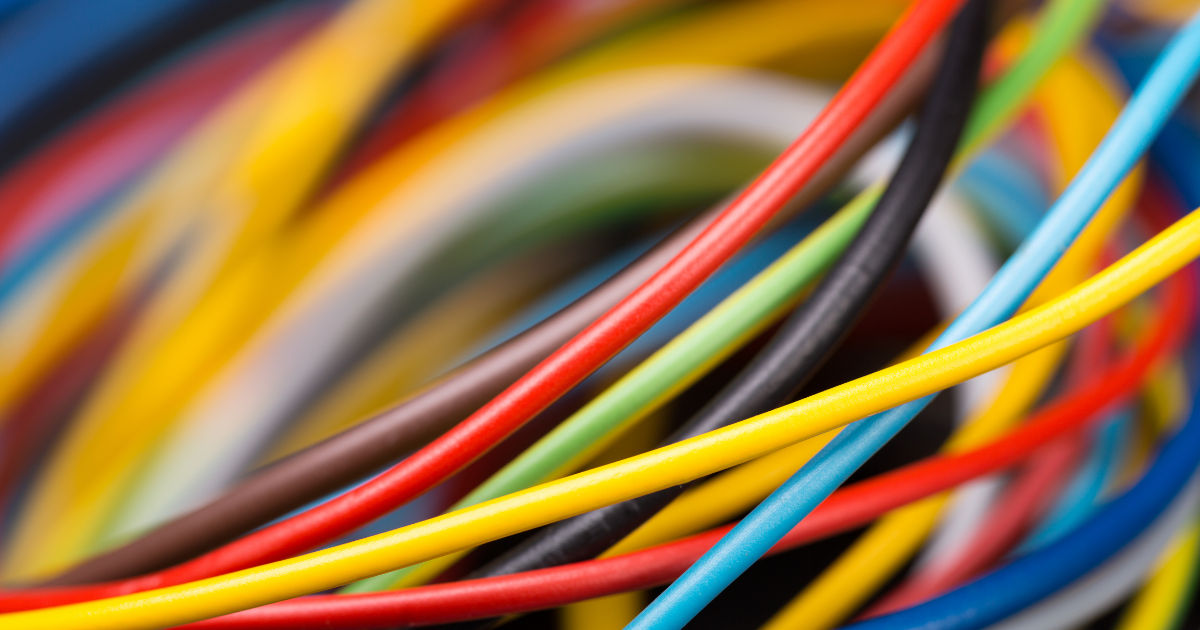 In Pakistan, businesses and consumers often rely on trusted Pakistan Cables Supplier for guidance on high-quality power cables. Among the options available, copper power cables have long been considered a standard due to their excellent conductivity and durability.
However, other alternatives, such as aluminum and fiber optic cables, have gained attention in recent years for specific applications.
This guide will explore the differences, advantages, and disadvantages of copper power cables versus their alternatives, helping you make informed decisions for your electrical projects.
Understanding Copper Power Cables
Copper power cables are widely used in electrical wiring due to copper’s inherent properties. Copper is a highly conductive metal, meaning electricity flows easily through it with minimal resistance. This makes copper cables highly efficient, particularly for high-current applications.
Key Features of Copper Cables
-
High Conductivity – Copper has one of the highest electrical conductivities among metals, which means it can carry more current with less voltage drop compared to many alternatives.
-
Durability – Copper is resistant to corrosion and can withstand harsh environmental conditions, making it suitable for both indoor and outdoor use.
-
Flexibility – Copper cables are easier to bend and route through conduits, reducing installation difficulties.
-
Thermal Resistance – Copper handles heat well, which reduces the risk of overheating in high-load applications.
-
Longevity – With proper installation, copper power cables can last decades without significant degradation.
Because of these qualities, most reputable Pakistan Cables Supplier recommend copper cables for critical installations such as industrial plants, commercial buildings, and residential wiring.
Common Alternatives to Copper Cables
While copper is a trusted option, alternatives exist that can be considered depending on the project requirements. The main alternatives include aluminum cables, fiber optic cables, and sometimes specialized alloys or composite cables.
Aluminum Power Cables
Aluminum cables have become popular mainly because they are lighter and cost less than copper.
Advantages of Aluminum Cables:
-
Cost-Effective – Aluminum is generally cheaper than copper, making it suitable for large-scale projects where budget is a concern.
-
Lightweight – Aluminum is significantly lighter than copper, which can reduce transportation and handling costs.
-
Adequate Conductivity – Though not as conductive as copper, aluminum can carry electricity efficiently when sized appropriately.
Disadvantages:
-
Lower Conductivity – Aluminum requires a larger diameter than copper to carry the same current, which can lead to increased space requirements in conduits.
-
Brittleness – Aluminum is more prone to cracking or breaking, especially under repeated bending.
-
Corrosion Issues – Aluminum oxidizes faster than copper, which can reduce its lifespan if not properly protected.
Fiber Optic Cables
Fiber optic cables are another alternative, but they are used mainly for data transmission rather than power distribution. In modern electrical grids, they are often deployed alongside power cables for monitoring and control purposes.
Advantages:
-
High-Speed Communication – Ideal for smart grid systems and data-intensive applications.
-
Resistance to Electromagnetic Interference – Unlike metal cables, fiber optics do not suffer from electrical interference.
-
Lightweight and Flexible – Easy to install in long-distance applications.
Disadvantages:
-
Not Suitable for Power Transmission – Fiber optic cables cannot carry electrical current.
-
Cost of Installation – Specialized equipment is required for termination and splicing.
-
Fragility – More delicate than copper or aluminum, requiring careful handling.
Comparing Copper and Aluminum Cables
To decide between copper and aluminum cables, it is important to compare them across several factors.
Conductivity
Copper is significantly more conductive than aluminum. A 1 cm² copper cable can carry more current than an aluminum cable of the same cross-section. In situations where efficiency and minimal voltage drop are critical, copper is preferred.
Cost
Aluminum is cheaper than copper, which makes it appealing for long-distance transmission lines and projects where budget is limited. However, larger aluminum cables may offset some of the initial savings due to the extra material required to achieve the same conductivity as copper.
Weight and Handling
Aluminum is lighter, which simplifies installation, especially in overhead lines and long runs. Copper, being heavier, can be more challenging to transport and install, but it is easier to handle in shorter, confined spaces due to its flexibility.
Longevity and Reliability
Copper is more durable and has a longer lifespan, particularly in environments prone to moisture, heat, or corrosion. Aluminum requires protective coatings and more maintenance to ensure reliability over time.
Safety
Copper has a higher melting point and better heat dissipation. This reduces the risk of overheating and fire hazards, which is why many Pakistan Cables Supplier prefer copper for residential and industrial installations.
Applications of Copper Power Cables
Copper cables are versatile and can be used in a variety of applications:
-
Residential Wiring – Used for electrical outlets, lighting, and appliance connections.
-
Commercial Buildings – Ideal for office buildings and shopping complexes due to high reliability.
-
Industrial Plants – Supports high-current machinery, motors, and control systems.
-
Power Transmission – Suitable for both medium and low-voltage distribution systems.
-
Renewable Energy Systems – Used in solar and wind power installations for efficient energy transmission.
Applications of Aluminum Power Cables
Aluminum cables are used in situations where cost and weight savings outweigh the need for maximum conductivity:
-
Overhead Power Lines – Light weight makes them ideal for long-span transmission lines.
-
Large Industrial Installations – Used in areas where space for cable runs is not a limiting factor.
-
Temporary Power Supply – Cost-effective solution for construction sites or temporary setups.
Installation Considerations
Choosing the right cable involves considering installation factors. Copper’s flexibility makes it easier to bend and install in tight spaces, whereas aluminum may require careful handling to prevent cracks. Proper connectors are essential for aluminum to prevent galvanic corrosion, while copper connections are generally simpler and more reliable.
Additionally, cable insulation plays a crucial role in performance. Both copper and aluminum cables are available with various insulation types such as PVC, XLPE, or rubber, each suited for different environments and temperatures.
Maintenance and Longevity
Copper cables typically require less maintenance due to their durability and resistance to corrosion. Aluminum cables, on the other hand, need periodic inspections to ensure connectors remain secure and corrosion-free.
For both types, avoiding mechanical damage and environmental stress is critical. Underground cables, for instance, require robust insulation to prevent moisture ingress, while overhead lines need support to prevent sagging or breakage.
Cost vs Performance Analysis
When selecting a power cable, you must weigh cost against performance. While aluminum may seem economical upfront, copper often provides better long-term value due to:
-
Reduced energy loss
-
Lower maintenance costs
-
Longer lifespan
-
Enhanced safety
Consulting a reliable Pakistan Cables Supplier can help determine which cable type fits your specific needs and budget.
Environmental and Sustainability Considerations
Copper is fully recyclable, and its efficiency reduces energy loss, contributing to lower carbon footprints over time. Aluminum also offers recyclability benefits but requires larger quantities to match copper’s conductivity, potentially increasing resource consumption.
Choosing cables from suppliers who follow environmental regulations and offer recycled materials can make your projects more sustainable.
Emerging Alternatives and Innovations
While copper and aluminum dominate power transmission, other alternatives are emerging:
-
Copper-Clad Aluminum Cables – Combines copper’s conductivity with aluminum’s lightweight properties.
-
High-Temperature Superconductors – Still in research phases, these promise near-zero resistance transmission.
-
Composite Power Cables – Blend of metals and polymers for specialized industrial applications.
Although these innovations are promising, traditional copper and aluminum cables remain the most practical options today.
Key Takeaways
-
Copper cables offer superior conductivity, durability, and safety, making them ideal for residential, commercial, and industrial projects.
-
Aluminum cables are lightweight and cost-effective, suitable for overhead lines and large-scale applications where weight is a concern.
-
Fiber optic cables are complementary for communication but cannot transmit electrical power.
-
Consulting a reputable Pakistan Cables Supplier ensures you select the right cable type, size, and insulation for your specific project.
-
Long-term cost, maintenance, and energy efficiency often make copper cables the more economical choice despite higher initial prices.
Conclusion
Choosing the right power cable is critical for safety, efficiency, and longevity. Copper power cables remain a trusted option for most electrical installations due to their superior conductivity, flexibility, and durability. Aluminum offers an economical and lightweight alternative but requires careful handling and larger sizes to achieve comparable performance. Emerging technologies like copper-clad aluminum and superconductors may influence future choices, but traditional copper cables will likely continue to dominate for decades.
For anyone seeking reliable solutions in Pakistan, working with a certified Pakistan Cables Supplier ensures access to high-quality products, expert guidance, and long-term support for all electrical projects. By understanding the differences between copper and alternative cables, you can make informed decisions that balance cost, performance, and safety, creating a foundation for efficient and durable electrical systems.