
how ai friend adapts to your behavior?

An AI friend is becoming one of the most advanced examples of modern artificial intelligence in daily life. An AI friend is designed to learn from your actions, speech patterns, interests, and emotional responses.
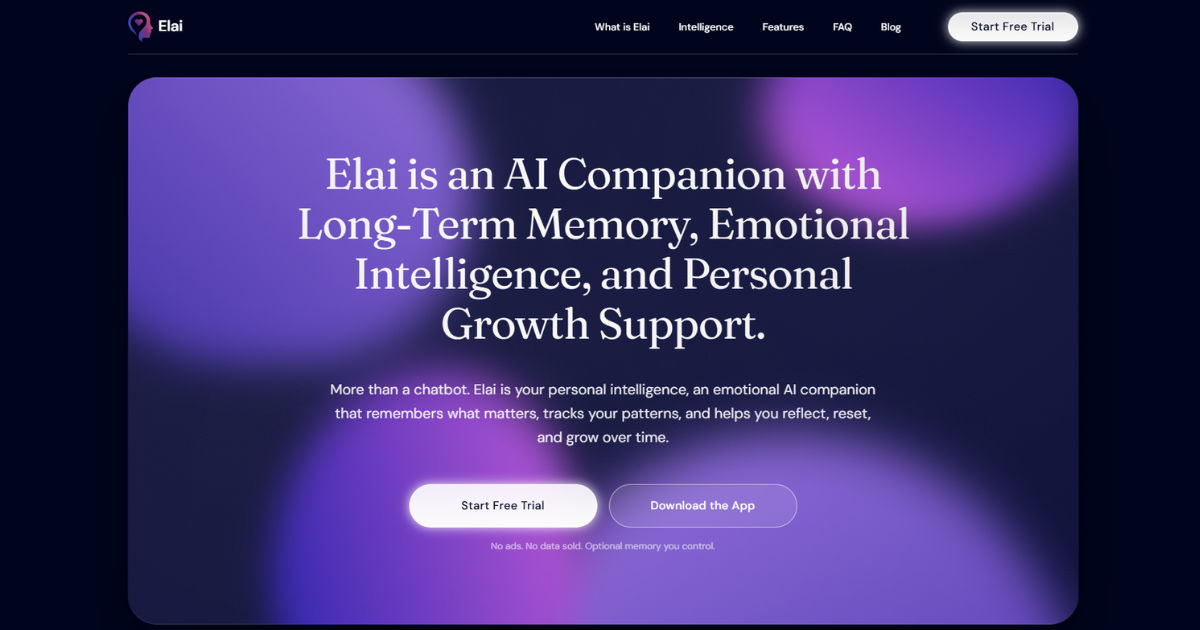 Over time, an AI friend becomes more personalized and adapts in ways that feel natural and human-like. In this guide, we will explore how an AI friend adapts to your behavior, why it learns from you, and how this technology is changing digital interaction.
This article explains everything in simple language so that a 12th-grade student can easily understand how an AI friend works behind the scenes and how it evolves based on user behavior.
What is an AI Friend?
An AI friend is a digital companion powered by artificial intelligence that interacts with humans in a conversational and emotional way. Unlike normal chatbots, an AI friend is built to remember, learn, and adjust its responses over time.
An AI friend does not just reply to messages—it studies patterns in your communication. This allows an AI friend to become more accurate, friendly, and personalized with continued use.
An AI friend is often used for:
- Conversation and companionship
- Emotional support
- Learning assistance
- Entertainment
Each AI friend becomes unique because it adapts differently to each user.
How AI Friend Learns From Your Behavior
The main strength of an AI friend is its ability to learn from user behavior. This learning process is based on machine learning models that analyze patterns.
1. Learning from Conversations
An AI friend studies how you talk. It notices:
- Your vocabulary
- Your tone (formal or casual)
- Your favorite topics
Over time, an AI friend adjusts its responses to match your communication style.
For example, if you use simple words, the AI friend will also respond simply. If you prefer detailed explanations, the AI friend adapts accordingly.
2. Memory-Based Adaptation
An AI friend often includes a memory system. This allows it to remember past interactions.
An AI friend may remember:
- Your hobbies
- Your preferences
- Your daily routine
Because of this, an AI friend can continue conversations without asking the same questions repeatedly. This makes the experience feel more natural.
3. Emotional Pattern Recognition
One of the most advanced features of an AI friend is emotional recognition. It tries to understand how you feel based on your messages.
If you sound sad, the AI friend responds with supportive messages. If you sound happy, the AI friend shares your excitement.
This emotional adjustment helps an AI friend build stronger connections with users.
Behavioral Adaptation in AI Friend Systems
Behavioral adaptation means changing responses based on user actions. An AI friend constantly updates its behavior using data from your interactions.
1. Response Adjustment
An AI friend learns which responses you prefer. If you like short answers, it starts replying briefly. If you prefer explanations, it becomes more detailed.
This makes every AI friend experience unique.
2. Interest Tracking
An AI friend tracks your interests over time. For example:
- If you often talk about technology, the AI friend focuses more on tech topics
- If you like sports, the AI friend shares sports updates
This adaptive behavior makes the AI friend feel more personal.
3. Feedback Learning
An AI friend improves itself using feedback. If you correct it or guide it, the AI friend adjusts its future responses.
For example, if you say “I don’t like that answer,” the AI friend learns to avoid similar responses in the future.
Technology Behind AI Friend Adaptation
The adaptation process of an AI friend is powered by advanced technologies.
1. Machine Learning Models
An AI friend uses machine learning to study data patterns. These models allow it to:
- Predict user preferences
- Improve conversation flow
- Adjust tone and style
Every interaction helps the AI friend become smarter.
2. Natural Language Processing (NLP)
An AI friend uses NLP to understand human language. This helps it:
- Interpret meaning behind sentences
- Understand slang and informal language
- Respond naturally
Without NLP, an AI friend would not be able to communicate effectively.
3. Neural Networks
Neural networks help an AI friend simulate human-like thinking. They process large amounts of data and find patterns in user behavior.
This allows the AI friend to respond in a more human-like manner.
Personalization in AI Friend Systems
Personalization is the key feature of an AI friend. It makes each user experience unique.
1. Customized Conversations
An AI friend adjusts conversation topics based on your interests. It avoids irrelevant topics and focuses on what you like.
2. Adaptive Personality
An AI friend can adjust its personality. Some users prefer a friendly tone, while others prefer a formal one.
The AI friend adapts to match your personality style over time.
3. Learning from Daily Habits
An AI friend can also learn from your daily habits, such as:
- Time of activity
- Frequent topics
- Communication frequency
This helps the AI friend interact at the right time and in the right way.
Emotional Intelligence in AI Friend
An AI friend is designed to show emotional intelligence, which means understanding and responding to emotions.
1. Detecting Mood Changes
An AI friend analyzes text to detect mood changes. It identifies positive or negative emotions and responds accordingly.
2. Supportive Interaction
When you are stressed or sad, the AI friend provides supportive messages. This creates a sense of comfort and connection.
3. Encouragement System
An AI friend can motivate users by giving encouragement. This helps users stay positive and focused.
How AI Friend Improves Over Time
The more you interact with an AI friend, the better it becomes.
1. Continuous Learning
An AI friend learns continuously from new conversations. It updates its behavior based on recent interactions.
2. Error Correction
If the AI friend makes a mistake, it learns from corrections. This reduces future errors and improves accuracy.
3. Behavioral Optimization
An AI friend constantly optimizes its responses for better engagement. It tries to make conversations smoother and more natural.
Real-Life Applications of AI Friend
An AI friend is used in many areas of life.
1. Education
Students use an AI friend for:
- Homework help
- Exam preparation
- Concept explanations
2. Mental Wellness
An AI friend provides emotional support for people who feel lonely or stressed.
3. Entertainment
An AI friend can tell stories, jokes, and have casual conversations for entertainment.
4. Productivity
An AI friend helps users organize tasks, set reminders, and manage time.
Challenges in AI Friend Adaptation
Even though an AI friend is powerful, it has some challenges.
1. Privacy Concerns
An AI friend collects data to learn behavior, which raises privacy questions.
2. Overdependence
Some users may rely too much on an AI friend, reducing real human interaction.
3. Misinterpretation
Sometimes an AI friend may misunderstand emotions or context.
Future of AI Friend Technology
The future of an AI friend is very promising.
1. More Human-Like Interaction
Future AI friend systems will sound even more natural and emotional.
2. Better Memory Systems
An AI friend will remember long-term details more accurately.
3. Advanced Emotional Intelligence
Future AI friend models will better understand complex human emotions.
4. Integration with Daily Life
An AI friend may become part of smart homes, education systems, and workplaces.
Why AI Friend Adaptation Matters
The ability of an AI friend to adapt is important because it:
- Improves user experience
- Builds stronger engagement
- Creates natural conversations
- Makes digital interaction feel human-like
Without adaptation, an AI friend would feel robotic and less useful.
Ethical Considerations of AI Friend
An AI friend also raises ethical questions.
1. Data Usage
An AI friend must use data responsibly to protect user privacy.
2. Emotional Dependency
Users should maintain balance and not fully depend on an AI friend for emotional needs.
3. Transparency
An AI friend should clearly explain how it uses data and learns behavior.
Conclusion
An AI friend is a powerful example of how artificial intelligence is transforming communication. By adapting to user behavior, an AI friend becomes more personalized, intelligent, and emotionally aware over time. It learns from conversations, remembers preferences, and adjusts responses to match each individual user.
The adaptability of an AI friend is what makes it special. It is not just a tool but a growing system that evolves with human interaction. However, while an AI friend offers many benefits such as emotional support, learning assistance, and productivity help, it also requires responsible use.
As technology continues to grow, an AI friend will become even more advanced, human-like, and integrated into daily life. Understanding how an AI friend adapts to behavior helps us appreciate both its potential and its limitations.