
Smart Glasses Buying Guide: Key Features, Prices, and What to Look for Before You Choose

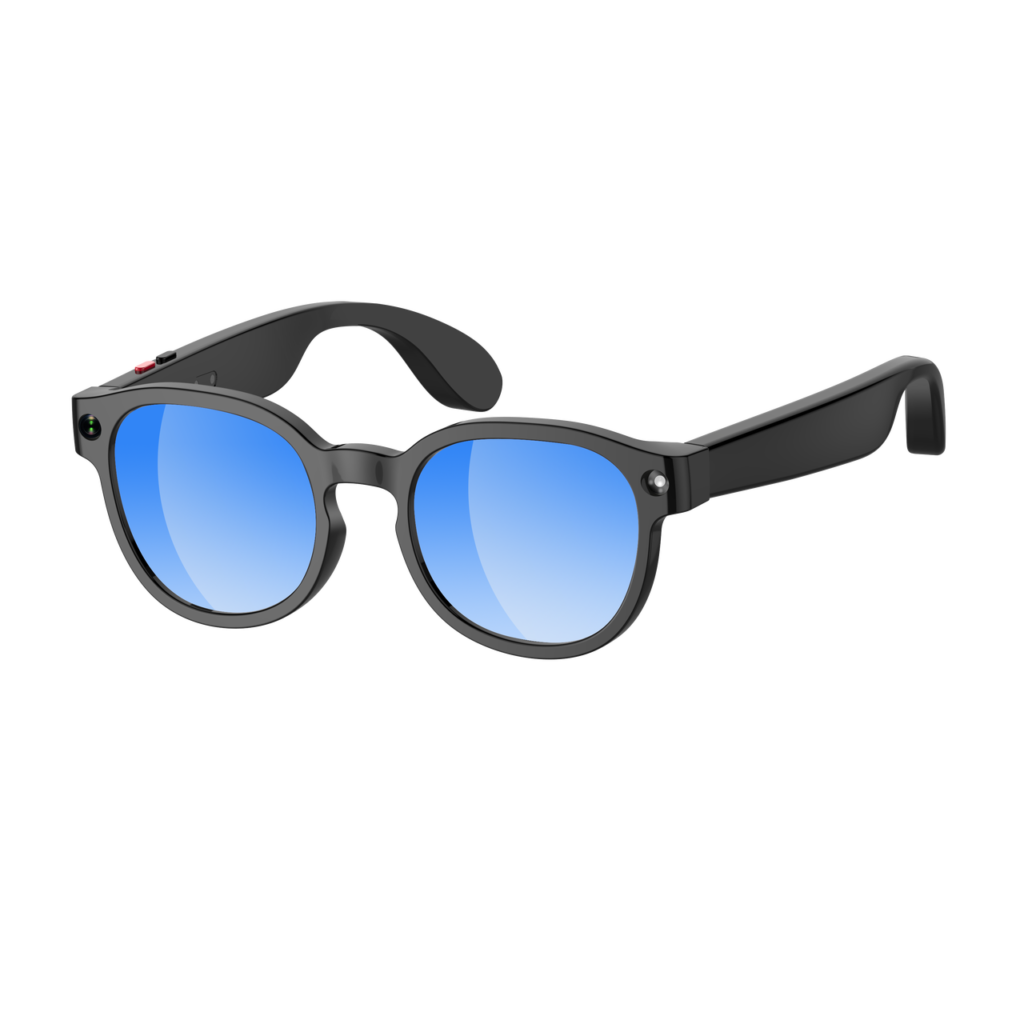
Smart glasses have moved from futuristic concepts to practical wearable devices that combine fashion, convenience, and technology. As more companies enter the market, buyers are faced with a wide range of options that differ in design, features, and price. Choosing the right pair requires understanding what smart glasses can actually do, which features matter most, and how much you should realistically expect to spend. This guide breaks down the essential points to help you make a confident decision before purchasing.
One of the first things to understand is that smart glasses are not all the same. Some models focus primarily on audio features, such as built-in speakers and microphones that allow you to take calls, listen to music, or interact with voice assistants without using earbuds. Others go further by integrating cameras, augmented reality (AR) displays, or real-time information overlays. Before choosing a pair, it is important to define your primary use case. If you mainly want hands-free audio, simpler models will be more comfortable and affordable. If you want immersive AR experiences or productivity tools, you will need more advanced—and usually more expensive—options.
Design and comfort are also critical factors. Since smart glasses are worn on your face for long periods, they should feel lightweight and natural. Many manufacturers now design frames that resemble regular eyeglasses or sunglasses, making them more socially acceptable and stylish. However, adding technology like batteries, speakers, and sensors can increase weight, so it is important to try them on if possible. Poor fit or heavy frames can lead to discomfort, especially during long use. Adjustable nose pads, balanced weight distribution, and durable materials all contribute to a better wearing experience.
Battery life is another key consideration. Depending on the model and usage, smart glasses can last anywhere from a few hours to a full day on a single charge. Devices with advanced features such as video recording or AR displays tend to consume more power. If you plan to use them throughout the day, look for models with portable charging cases or fast-charging capabilities. Some glasses offer modular battery systems or energy-saving modes that extend usage time, which can be useful for travel or work environments.
Audio and camera quality are among the most important performance factors. For audio-focused smart glasses, clarity of sound and microphone quality determine how useful they are for calls and media consumption. Open-ear speakers are commonly used, allowing you to hear your surroundings while listening to audio. However, sound leakage can be an issue in noisy environments. For models with cameras, resolution, stabilization, and low-light performance matter significantly. Higher-quality cameras allow for better content creation, video calls, and real-time capture, but they also increase cost and power consumption.
Connectivity and software integration also play a major role in the overall experience. Most smart glasses connect to smartphones via Bluetooth and rely on companion apps for configuration and updates. Compatibility with both Android and iOS devices is important for flexibility. Some advanced models integrate voice assistants, navigation tools, and real-time notifications, allowing users to stay connected without constantly checking their phones. The quality of the software ecosystem often determines how useful the glasses feel in everyday life.
Price is one of the biggest deciding factors for most buyers. Entry-level smart glasses that focus on audio functions are generally more affordable and accessible, making them a good starting point for first-time users. Mid-range options often include better sound quality, improved battery life, and basic camera features. High-end smart glasses with AR capabilities, advanced sensors, or premium materials can be significantly more expensive. It is important to evaluate whether the additional features justify the cost based on your personal needs. Spending more does not always guarantee better value if you do not use the advanced functions regularly.
Privacy and security should also be considered before making a purchase. Devices with cameras and microphones raise concerns about recording and data usage, especially in public spaces. Many smart glasses include indicator lights to show when recording is active, as well as privacy settings within companion apps. It is essential to understand how your data is stored, whether it is processed locally or in the cloud, and what control you have over it. Choosing a reputable brand with transparent privacy policies can help reduce potential risks.
Finally, think about long-term usability and updates. Technology in this category evolves quickly, so software support and firmware updates can significantly extend the life of your device. A model that receives regular updates will remain functional and compatible with new apps and features over time. Durability is also important, especially if you plan to use the glasses daily. Scratch-resistant lenses, water resistance, and sturdy hinges can make a big difference in longevity.
In conclusion, buying smart glasses requires balancing design, functionality, performance, and price. By carefully considering your needs—whether it is communication, entertainment, productivity, or augmented reality—you can choose a pair that fits your lifestyle. As the technology continues to improve, smartglasses are becoming more practical and versatile, making them an increasingly attractive option for everyday use.