
What is ACP facade cladding system?

When it comes to modern construction and architectural design, the exterior appearance of a building plays a crucial role in defining its character and longevity.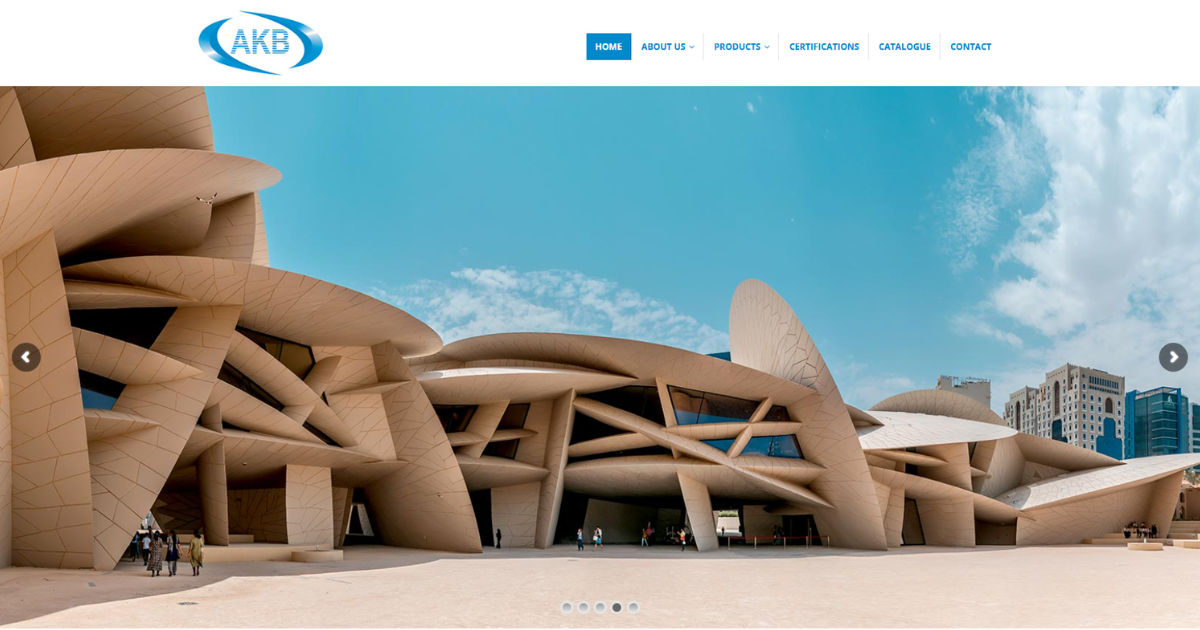
Among the most popular solutions for exterior finishes is the ACP facade cladding system. Akbari Engineering has been at the forefront of providing top-quality ACP cladding solutions, combining aesthetic appeal with functional performance.
In this comprehensive guide, we will explore everything about ACP facade cladding systems, their structure, types, benefits, installation process, and maintenance.
Understanding ACP Facade Cladding
ACP stands for Aluminum Composite Panel, which is a sandwich-like material consisting of two thin layers of aluminum bonded to a non-aluminum core. ACP panels are designed for exterior and interior cladding applications. When applied to a building facade, these panels offer a modern, sleek look while also protecting the structure from environmental stresses.
Facade cladding is essentially a layer of material installed over the exterior walls of a building. The purpose is not only decorative but also functional. ACP facade cladding systems enhance the aesthetics of a building while providing insulation, weather resistance, and fire safety. Akbari Engineering ensures that each panel meets high standards for durability and design precision, making their solutions suitable for commercial and residential buildings alike.
Components of an ACP Facade Cladding System
An ACP facade cladding system is not just about the panels; it includes multiple components working together to ensure stability and durability. Here are the main elements:
1. Aluminum Composite Panels
The core component is the ACP itself, which consists of two thin aluminum sheets bonded to a polyethylene or fire-retardant core. These panels are available in a variety of colors, finishes, and textures, including metallic, matte, glossy, and wood-like finishes.
2. Sub-Frame Structure
ACP panels are mounted on a structural sub-frame made of aluminum or galvanized steel. This framework provides support, ensures proper alignment, and allows ventilation behind the panels. Proper sub-frame design is essential for the longevity of the facade.
3. Fasteners and Fixings
High-quality fasteners, rivets, and screws are used to secure ACP panels to the sub-frame. Akbari Engineering recommends specialized mounting systems to minimize thermal expansion issues and ensure panel stability.
4. Sealants and Gaskets
Sealants and gaskets are used to prevent water ingress and maintain air-tightness. They also help accommodate expansion and contraction caused by temperature fluctuations.
5. Accessories
Accessories such as corner trims, edge covers, and joint covers ensure a seamless look and protect the edges of the panels. These small details are crucial in delivering a clean, professional finish.
Types of ACP Facade Cladding Systems
The ACP cladding system can be installed in several ways depending on architectural requirements and building codes. Here are the most common types:
1. Stick System
In the stick system, the sub-frame is installed first, and ACP panels are fixed one by one using mechanical fasteners. This method is flexible and allows easy replacement of individual panels.
2. Unitized System
Unitized cladding involves pre-assembled ACP panels in factory-controlled conditions. Large panels are then mounted onto the building, reducing on-site labor and construction time.
3. Rainscreen Cladding
Rainscreen cladding is designed to improve moisture control. The ACP panels are mounted on a ventilated sub-frame, allowing air circulation behind the panels. This reduces condensation, prevents mold, and enhances energy efficiency.
4. Cassette System
Cassette systems use interlocking ACP panels for a seamless appearance. This system provides rigidity and a modern, flat facade finish.
Benefits of ACP Facade Cladding
ACP facade cladding systems have become the preferred choice for architects and builders worldwide due to their numerous advantages.
1. Aesthetic Versatility
ACP panels are available in an extensive range of colors, textures, and finishes, allowing architects to create unique building designs. Metallic, stone, and wood-like finishes offer flexibility without compromising durability.
2. Lightweight
Compared to traditional cladding materials like stone or brick, ACP panels are lightweight. This reduces the load on the building structure and simplifies installation.
3. Weather Resistance
ACP panels are highly resistant to rain, wind, and UV radiation. They protect the building structure from corrosion, water damage, and fading. Akbari Engineering ensures all panels have protective coatings to extend lifespan in harsh climates.
4. Thermal Insulation
The cladding system creates a buffer zone between the exterior and interior, helping maintain indoor temperatures. This can improve energy efficiency and reduce heating or cooling costs.
5. Fire Resistance
Modern ACP panels often include fire-retardant cores, meeting strict fire safety regulations. This reduces the risk of fire spreading through the building facade.
6. Easy Maintenance
ACP panels require minimal maintenance. Dust, dirt, and stains can be cleaned easily with water and mild detergents, maintaining their appearance for years.
7. Sustainability
Many ACP panels are made from recyclable aluminum, making them an eco-friendly choice. The long lifespan also reduces the need for frequent replacements.
Installation Process of ACP Facade Cladding
Installing an ACP facade cladding system involves careful planning and precise execution. Here is an overview of the steps involved:
1. Site Assessment
Before installation, a detailed site assessment is performed. This includes measuring wall surfaces, evaluating structural integrity, and planning for drainage and ventilation.
2. Sub-Frame Installation
A sub-frame made of aluminum or galvanized steel is securely attached to the building structure. Proper alignment is crucial to ensure the panels fit perfectly.
3. Panel Cutting and Preparation
ACP panels are cut to size and shape based on design specifications. Modern cutting tools ensure precision and minimize material wastage.
4. Panel Fixing
Panels are attached to the sub-frame using mechanical fasteners, rivets, or specialized mounting brackets. Care is taken to leave space for thermal expansion.
5. Sealing and Joint Treatment
All joints, edges, and gaps are sealed using silicone or other appropriate sealants. This prevents water penetration and ensures durability.
6. Quality Check
After installation, a thorough inspection is carried out to ensure proper alignment, secure fixing, and flawless finish. Akbari Engineering emphasizes strict quality checks to guarantee performance and longevity.
Maintenance of ACP Facade Cladding Systems
Even though ACP panels are durable and low-maintenance, regular care extends their life and keeps them looking new.
-
Cleaning: Use water and a mild detergent to remove dirt and pollutants. Avoid abrasive cleaners that can scratch the surface.
-
Inspection: Check panels periodically for damage, loose fasteners, or sealant deterioration.
-
Repairs: Replace damaged panels immediately to prevent water leakage or structural issues.
-
Re-coating: In some cases, panels may benefit from periodic re-coating to restore gloss and UV protection.
Proper maintenance ensures that the ACP facade remains both visually appealing and structurally sound for decades.
Common Applications of ACP Facade Cladding
ACP cladding systems are highly versatile and can be used in a wide range of buildings and projects:
-
Commercial Buildings: Office complexes, shopping malls, hotels, and hospitals benefit from ACP facades for their sleek, professional appearance.
-
Residential Projects: Modern homes and apartments use ACP panels for aesthetic appeal and weather protection.
-
Institutional Buildings: Schools, universities, and government buildings adopt ACP cladding for durability and energy efficiency.
-
Renovation Projects: Old structures can be modernized using ACP panels without major structural changes.
Choosing the Right ACP Provider
Selecting a reliable provider is essential for a successful ACP facade project. Akbari Engineering stands out due to:
-
Expertise in designing and supplying high-quality ACP panels.
-
Skilled installation teams ensuring precision and safety.
-
Wide range of finishes and customized solutions for all building types.
-
Strong after-sales support and maintenance guidance.
Partnering with experienced professionals ensures the longevity and performance of the ACP cladding system.
Challenges and Considerations
While ACP facade cladding systems offer many advantages, it’s important to consider certain challenges:
-
Cost: High-quality ACP panels and installation can be expensive, but long-term benefits outweigh initial investment.
-
Thermal Expansion: Proper installation must account for expansion and contraction to prevent warping or buckling.
-
Fire Safety Regulations: Only use fire-retardant panels in high-rise buildings or areas with strict safety codes.
-
Structural Support: Building walls must be capable of supporting the sub-frame and panel weight.
By addressing these factors, you can enjoy the full benefits of ACP cladding with minimal issues.
Conclusion
The ACP facade cladding system has revolutionized modern building design by offering a combination of aesthetic appeal, durability, and functional performance. With benefits such as weather resistance, thermal insulation, low maintenance, and fire safety, it is no wonder that architects and builders increasingly prefer ACP panels.
Akbari Engineering has established itself as a trusted provider of ACP cladding solutions, offering high-quality panels, expert installation, and long-term support. Whether for commercial, residential, or institutional projects, ACP facade cladding transforms buildings into elegant, sustainable, and resilient structures.
Investing in an ACP facade cladding system ensures your building remains visually striking and structurally protected for decades to come. With careful planning, professional installation, and regular maintenance, ACP panels are a reliable choice for anyone seeking a modern and efficient exterior finish.