
Why automatic glass door sensor ensures safety?

Automatic glass doors have become a common feature in modern buildings, from shopping malls to hospitals, offices, and airports. One of the most important components that make these doors reliable and secure is the Automatic Glass Door Sensor.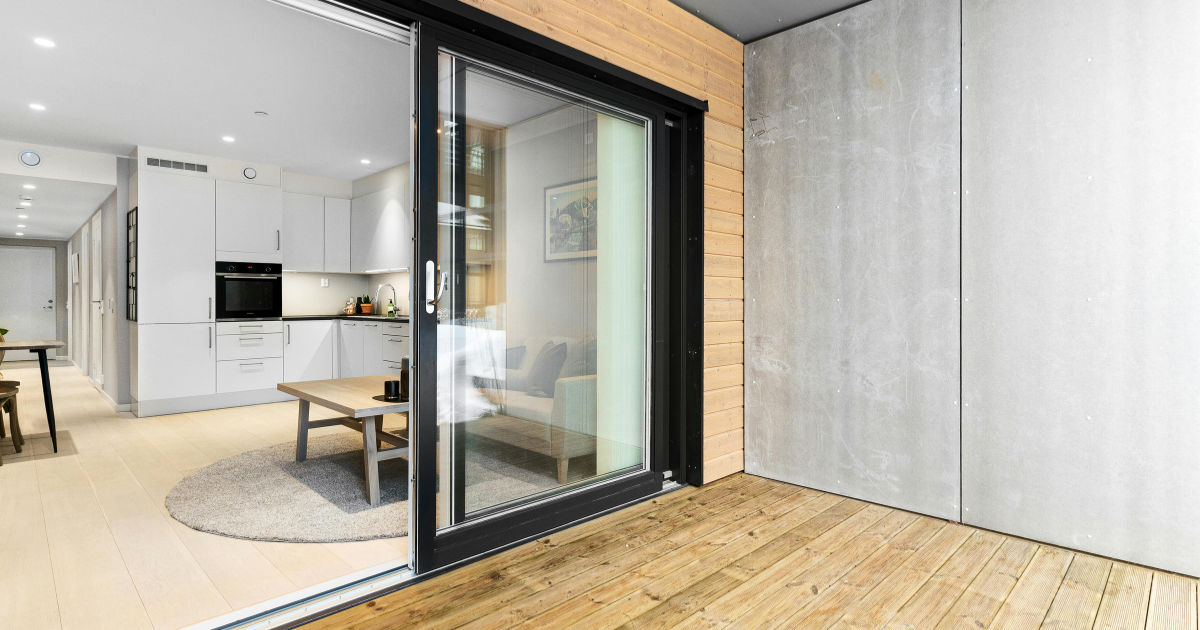
This technology not only makes entry and exit convenient but also plays a critical role in ensuring the safety of everyone who uses it.
Understanding how an Automatic Glass Door Sensor works and why it is essential for safety is crucial. In this guide, we will explore the mechanics, types, safety features, benefits, and maintenance tips of automatic glass door sensors.
We will also discuss real-world applications and how they prevent accidents.
What Is an Automatic Glass Door Sensor?
An Automatic Glass Door Sensor is a device installed on automatic doors to detect movement or presence in its proximity. When a person approaches, the sensor signals the door to open. Once the person moves away, the door closes automatically.
These sensors are designed to prevent accidents, such as someone walking into a closing door, and to avoid damage to the door itself. They rely on advanced technology to respond accurately and quickly to movement.
How Automatic Glass Door Sensors Work
Automatic glass door sensors work by using one or more detection technologies, such as:
1. Infrared Sensors
Infrared sensors detect body heat or movement. When a warm object, like a human body, comes within the sensor’s range, the sensor triggers the door to open.
2. Motion Detectors
Motion detectors use microwaves or ultrasonic waves to detect movement. When a person enters the detection zone, the sensor sends a signal to open the door.
3. Pressure Sensors
Some doors are equipped with pressure sensors in the floor near the entrance. When someone steps on the sensor mat, the door opens automatically.
4. Radar Sensors
Radar sensors emit electromagnetic waves that bounce back when they hit a moving object. This technology is particularly useful for high-traffic areas because it can detect people even if they are moving quickly.
The combination of these technologies ensures precise operation, reducing the risk of accidents.
Importance of Automatic Glass Door Sensors in Safety
Safety is the primary reason for installing an Automatic Glass Door Sensor. Here’s how it helps:
1. Prevents Accidental Collisions
Automatic doors can be heavy and dangerous if not properly managed. Sensors ensure the doors open and close only when needed, preventing people from accidentally walking into them.
2. Protects Children and Elderly
Children and elderly people are more prone to accidents. The sensor detects even small movements and reacts quickly to prevent injuries.
3. Reduces Risk of Door Malfunction
Sensors ensure doors operate smoothly. Malfunctioning doors can cause injuries, and sensors prevent such issues by providing real-time monitoring.
4. Improves Emergency Response
In emergencies, automatic doors with sensors can open automatically to allow quick evacuation. This is crucial in hospitals, offices, and public buildings.
Types of Automatic Glass Door Sensors
There are several types of Automatic Glass Door Sensors, each designed for different environments:
1. Active Infrared Sensors
These sensors emit an infrared beam and detect any interruption. They are highly accurate and suitable for both indoor and outdoor use.
2. Passive Infrared Sensors
Passive infrared sensors detect body heat without emitting any signals. They are commonly used indoors for low-traffic areas.
3. Microwave Sensors
Microwave sensors emit electromagnetic waves that detect movement. They are effective for high-traffic entrances because they can detect multiple people at once.
4. Safety Edges
These are sensors installed along the edge of the door. If the door meets an obstruction, it automatically stops and reverses to prevent injury or damage.
5. Combination Sensors
Some modern doors use multiple sensors together to enhance safety. For example, combining infrared and microwave sensors improves detection accuracy and reduces false triggers.
Key Features of Automatic Glass Door Sensors
An Automatic Glass Door Sensor comes with several features that make it reliable:
1. Adjustable Sensitivity
The detection range and sensitivity can often be adjusted. This ensures that the door reacts to humans but ignores small animals or objects.
2. Safety Compliance
Many sensors meet international safety standards, such as EN 16005 in Europe, ensuring reliable and safe operation.
3. Obstruction Detection
Sensors can detect obstacles in the doorway and prevent the door from closing, which is essential for protecting people and property.
4. Energy Efficiency
By opening only when necessary, these sensors reduce unnecessary energy loss, especially in air-conditioned buildings.
5. Night Mode
Some sensors have a night mode that reduces sensitivity or switches to manual operation when the building is empty.
Benefits of Automatic Glass Door Sensors
Investing in an Automatic Glass Door Sensor offers numerous benefits:
1. Enhanced Safety
The foremost benefit is the safety of users. Sensors prevent accidents and protect vulnerable individuals.
2. Convenience
Automatic doors eliminate the need to push or pull heavy glass doors, making entry and exit effortless.
3. Accessibility
Sensors improve accessibility for people with disabilities, ensuring compliance with laws like the Americans with Disabilities Act (ADA).
4. Hygiene
Hands-free operation reduces the spread of germs, which is especially important in hospitals and public spaces.
5. Property Protection
Sensors prevent doors from slamming or colliding with objects, reducing repair costs.
Applications of Automatic Glass Door Sensors
Automatic glass door sensors are widely used in different settings:
1. Hospitals
Sensors provide hands-free entry for patients, doctors, and visitors, reducing the risk of contamination and injury.
2. Airports
High-traffic areas in airports use sensors to manage large crowds efficiently and safely.
3. Shopping Malls
In malls, sensors ensure smooth traffic flow and prevent accidents during busy hours.
4. Office Buildings
Office entrances often use sensors to enhance convenience, security, and energy efficiency.
5. Hotels
Hotels use automatic doors with sensors to provide a luxurious and safe experience for guests.
6. Residential Complexes
Modern residential buildings incorporate sensors for safety and ease of use, especially for elderly residents.
Common Safety Concerns and How Sensors Address Them
Despite the safety benefits, some concerns exist:
1. False Detection
Sometimes sensors may open the door unnecessarily. Modern sensors use adjustable sensitivity and dual detection methods to reduce false alarms.
2. Sensor Malfunction
Regular maintenance and testing are essential to ensure sensors function correctly.
3. Power Failure
Many sensors come with backup power options to keep doors operational during outages.
4. Environmental Factors
Rain, snow, and direct sunlight can affect sensor performance. Advanced sensors are designed to adapt to changing environments.
Maintenance of Automatic Glass Door Sensors
Maintaining an Automatic Glass Door Sensor is crucial for safety and longevity. Key tips include:
1. Regular Cleaning
Dust and dirt can block sensors. Clean them regularly using a soft cloth and gentle cleaning solution.
2. Periodic Testing
Test sensors periodically to ensure they respond correctly to movement.
3. Professional Servicing
Hire professionals to inspect and maintain doors and sensors annually.
4. Firmware Updates
Some sensors are smart devices. Keeping the firmware updated improves performance and security.
5. Check Alignment
Ensure the sensor is correctly aligned with the door for accurate detection.
Future of Automatic Glass Door Sensors
The future of Automatic Glass Door Sensors is promising. Innovations include:
1. AI Integration
Sensors may use artificial intelligence to predict movement patterns, enhancing safety in crowded areas.
2. Smart Connectivity
Integration with smart building systems allows real-time monitoring and alerts for maintenance issues.
3. Energy Optimization
Future sensors may optimize door operation based on traffic patterns, reducing energy consumption further.
4. Enhanced Accessibility Features
Sensors may adapt automatically to assist people with different mobility levels.
Conclusion
An Automatic Glass Door Sensor is more than just a convenience feature—it is a critical safety device. From preventing accidental collisions to providing accessibility and hygiene benefits, these sensors play a vital role in modern buildings. By understanding their functions, types, features, and maintenance requirements, building owners and users can ensure a safe, efficient, and comfortable environment for everyone.
Automatic glass doors equipped with reliable sensors protect children, elderly individuals, and high-traffic areas, proving that safety and technology can work hand in hand. Investing in these sensors is a smart choice for safety, convenience, and long-term efficiency.