
Sodium Lignosulfonate In Bodoni Font Manufacture: Exploring Its Uses, Advantages, Properties, And Practical Applications

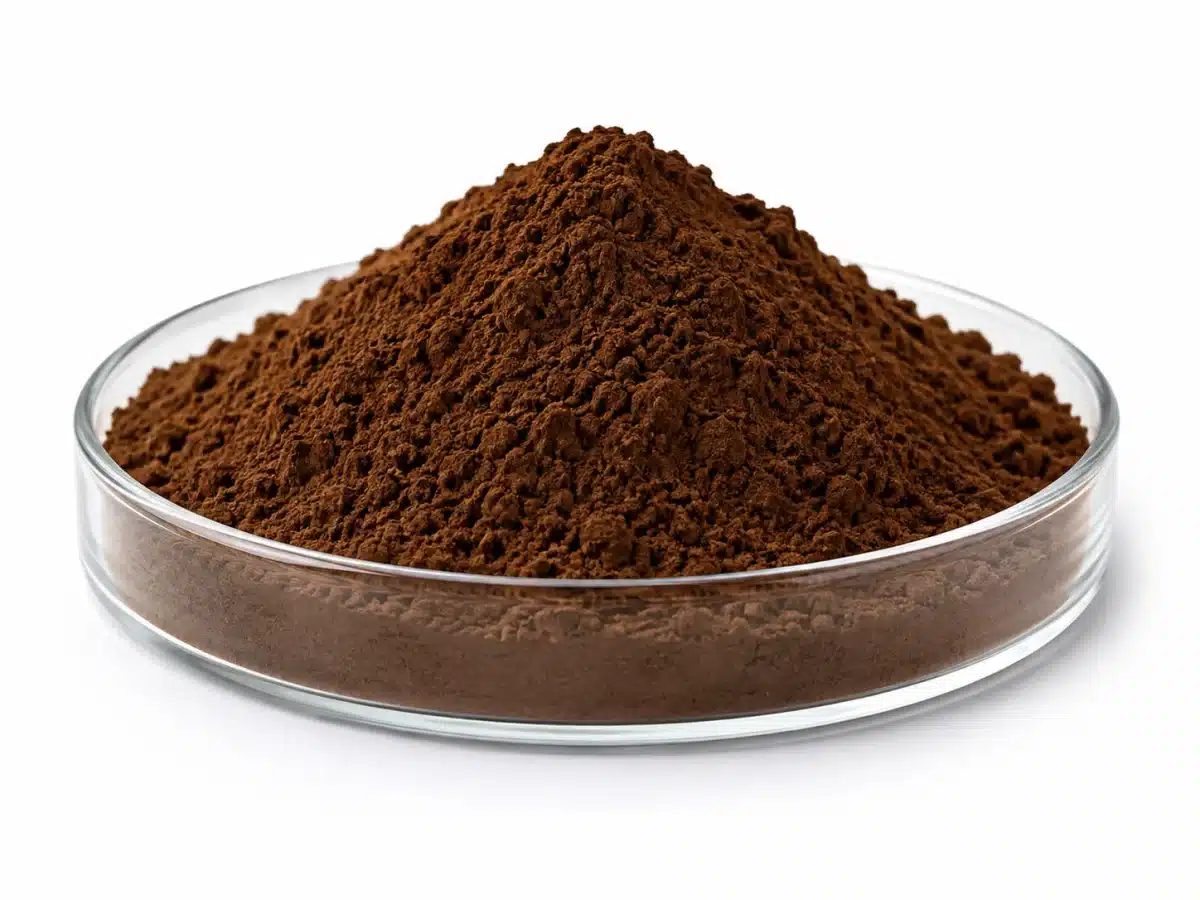
Sodium lignosulfonate is a various chemical compound wide used in modern font industrial processes because of its useful dispersing, bandaging, and stabilising properties. It is generally produced as a by-product of wood processing, particularly during the inven of wood pulp, where lignin is changed into water-soluble lignosulfonates. Its combination of natural inception, irrigate solvability, and functional performance has made Sodium Lignosulfonate valuable across industries ranging from twist and husbandry to creature nutriment, ceramics, and material processing. As manufacturers preserve to seek realistic materials that can meliorate and reduce costs, SODIUM LIGNOSULFONATE clay an probative heavy-duty additive.
One of the most recognized applications of SODIUM LIGNOSULFONATE is in the twist manufacture. It can operate as a irrigate-reducing federal agent in mixtures, helping better workability while allowing manufacturers to use less water. Reducing spare irrigate in a concrete mix can put up to cleared potency and enduringness when the preparation is right premeditated. Sodium lignosulfonate can also help cement particles more evenly throughout a intermixture, qualification it easier to wield and direct. These properties make it useful in various formulations, especially where cleared workability and material are monumental considerations.
Sodium lignosulfonate is also widely valued for its dispersing capabilities. A dispersant helps prevent fine particles from clip-clop together and encourages them to remain evenly divided up in a liquid state or mixture. This is useful in industries that work pigments, minerals, dyes, ceramics, and other delicately dual-lane materials. By rising particle statistical distribution, SODIUM LIGNOSULFONATE can put up to electric sander processing and more homogeneous products. Its strength as a dispersing federal agent is one of the reasons it continues to be used in formulations where particle stability and uniformness are evidential.
Agriculture represents another realistic area of practical application. Sodium lignosulfonate can be used as a ring-binder and dispersing aid in certain fertilizers, soil-related products, and cultivation formulations. Its dressing properties can help ameliorate the natural science social organization of small-grained or farinaceous materials, reduction dust and portion particles continue together during handling and transit. When integrated into suitable formulations, it may also help distribute active ingredients more evenly. However, its hairsplitting role depends on the production formulation, application method acting, and regulative requirements of the intended cultivation use.
The animate being feed industry can also make use of SODIUM LIGNOSULFONATE as a bandaging fixings in feed pellet product. During shot manufacturing, binders help ingredients hold together and can better shot durability. Better shot integrity can tighten the shaping of fines during handling, store, and transit. This can be particularly useful for manufacturers seeking uniform shot timber. As with other feed additives, the appropriate grade, innocence, , and regulatory position must be considered carefully to insure that the stuff is suited for its intended use.
In ceramics and material processing, SODIUM LIGNOSULFONATE can provide useful processing benefits. It may act as a dispersant, serving fine particles stay on more far-flung and improving the treatment characteristics of certain mixtures. In manufacturing, this can subscribe the grooming of slurries and tighten problems associated with subatomic particle agglomeration. In material processing, lignosulfonates may be used to qualify particle behavior and assist with legal separation or suspension processes. The exact public presentation depends to a great extent on the material authorship, processing conditions, and formulation.
Another advantage of SODIUM LIGNOSULFONATE is its relatively realistic and renewable inception. Because lignosulfonates are associated with lignin obtained from wood-processing streams, their product can make productive use of a stuff generated during pulp manufacturing. This has hyperbolic matter to in lignin-based chemicals as industries research alternatives to some purely synthetic additives. Nevertheless, SODIUM LIGNOSULFONATE should not automatically be considered environmentally atoxic. Its situation performance depends on manufacturing methods, sinlessness, dosage, , and the specific application in which it is used.
Its natural science and chemical substance properties further contribute to its industrial usefulness. Sodium lignosulfonate is in general irrigate-soluble and usually supplied as a brownish pulverize or liquidity, although appearance and authorship can vary according to the manufacturing work on and grade. It can interact with particles and surfaces, helping cater dispersing, dressing, and stabilising effects. Different grades may have different building block-weight distributions, reducing-sugar content, pH characteristics, and ash levels. Selecting the score is therefore necessity because a stuff suited for concrete may not supply congruent performance in ceramics, farming, or animal-feed applications.
Overall, SODIUM LIGNOSULFONATE demonstrates how a lignin-derived stuff can suffice multiplex purposes across Bodoni manufacture. Its ability to scatter particles, bind materials, meliorate workability, and support formulation stability gives it broad-brimmed practical value. From production and material processing to agriculture, ceramics, and feed manufacturing, it can help ameliorate processing and product when used befittingly. As industries preserve to sharpen on resource and functional materials derived from renewable sources, SODIUM LIGNOSULFONATE is likely to stay on a useful industrial ingredient, provided that manufacturers take appropriate grades and apply them according to technical foul, safety, and restrictive requirements.